
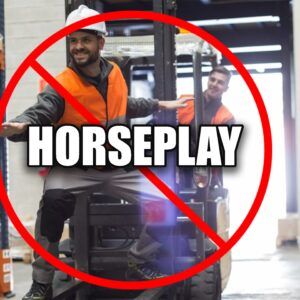
Workplace Horseplay
Ever notice how every jobsite has that one person who thinks they’re auditioning for a slapstick comedy instead of, you know, working? Sure, it might get a laugh… right up until it gets someone hurt.

Brooklyn Nice
Read up on our latest updates and tips.
Ever notice how every jobsite has that one person who thinks they’re auditioning for a slapstick comedy instead of, you know, working? Sure, it might get a laugh… right up until it gets someone hurt.
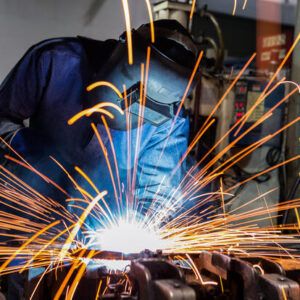
Working near hot work activities presents serious safety risks if proper precautions are not taken. Whether you’re directly involved in the hot work or simply working nearby, understanding the hazards and following safety protocols is critical.
Pesticide labels are more than just instructions, they’re legally binding documents designed to protect you, the environment, and everyone around you.
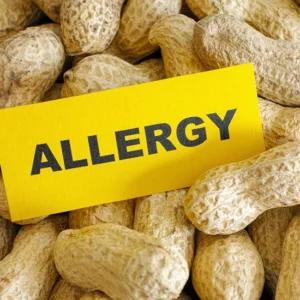
Peanut allergies are among the most common, and most serious, food allergies today, affecting both children and adults. For those who live with them, even a tiny amount of peanut protein can trigger a rapid and potentially life-threatening reaction.
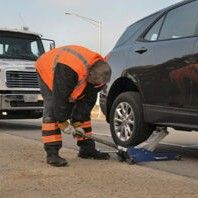
Picture this: you’re cruising down the road, windows down, snacks in hand, and suddenly POP! your tire decides it’s had enough. Flat tire panic mode: activated. But don’t worry! A flat tire isn’t the end of the world.
When you’re working on or near overhead powerlines, there’s one thing you definitely don’t want to spark… yourself.
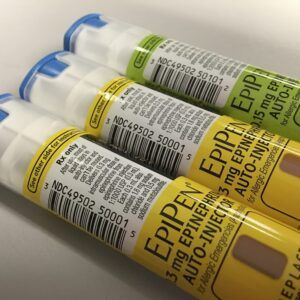
Allergic reactions can occur suddenly and without warning and when they do, every second counts.
JJ Safety’s Learning Management System (LMS) is a central hub for equipping workers with the knowledge and training they need to work safely and get the job done.
When most people hear about OSHA or MSHA, they think of fines, citations, and paperwork. But could these workplace safety agencies actually land you behind bars?
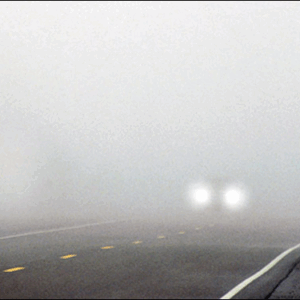
Driving in fog can turn even the most familiar roads into unpredictable terrain. Visibility drops, hazards appear without warning, and your usual driving habits suddenly aren’t enough.
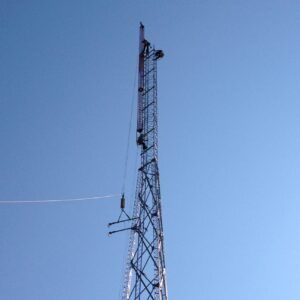
Tower climber safety is one of the most critical aspects of working in the telecommunications and infrastructure industries. Ensuring proper training, fall protection, and safe work practices isn’t just about compliance; it’s about saving lives.
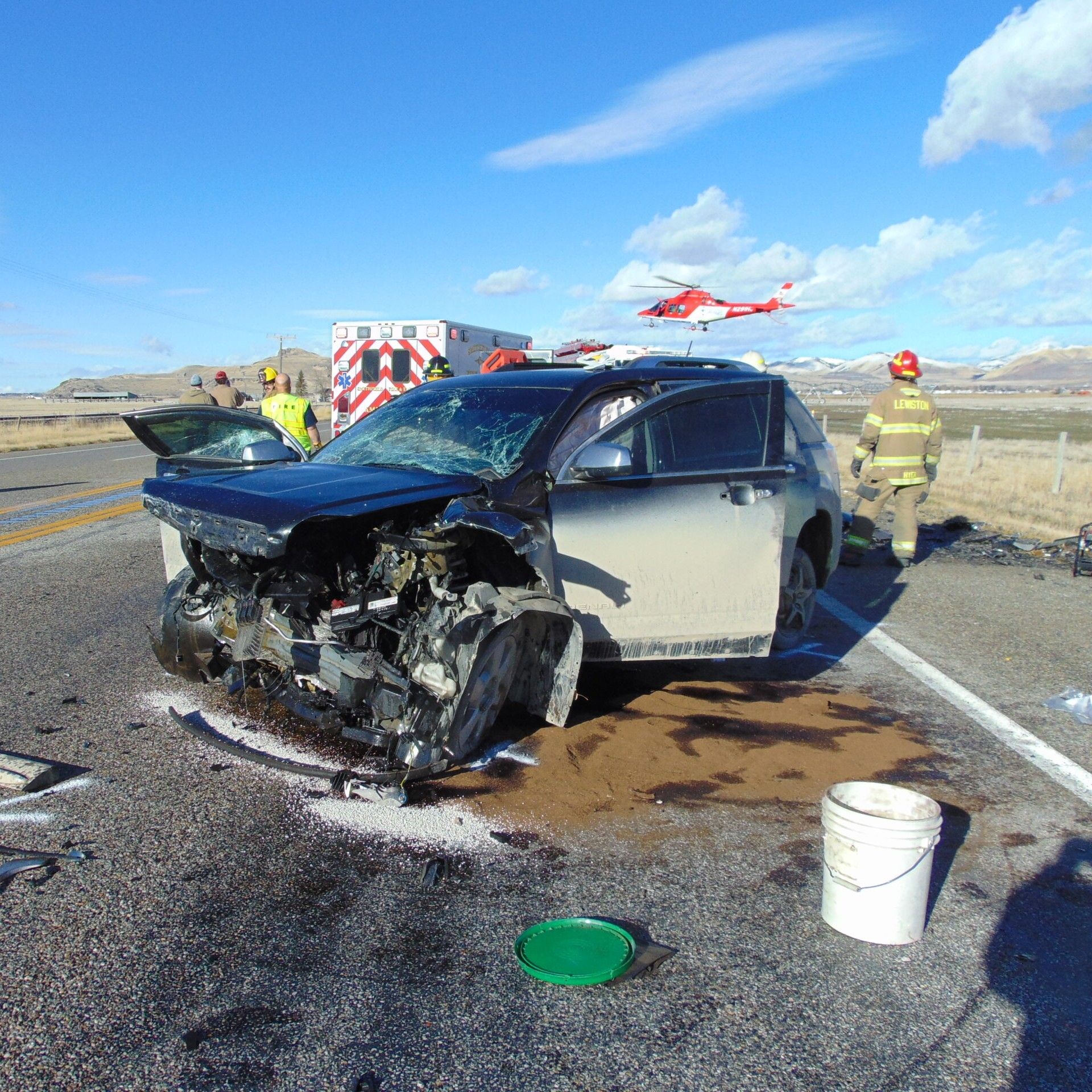
Crash Reporting and Investigation play a vital role in maintaining workplace and roadway safety by identifying the causes of incidents and preventing future occurrences.
Hexavalent chromium (Cr(VI)) poses a serious hazard in many industrial environments, particularly during metal welding, cutting, and coating operations.
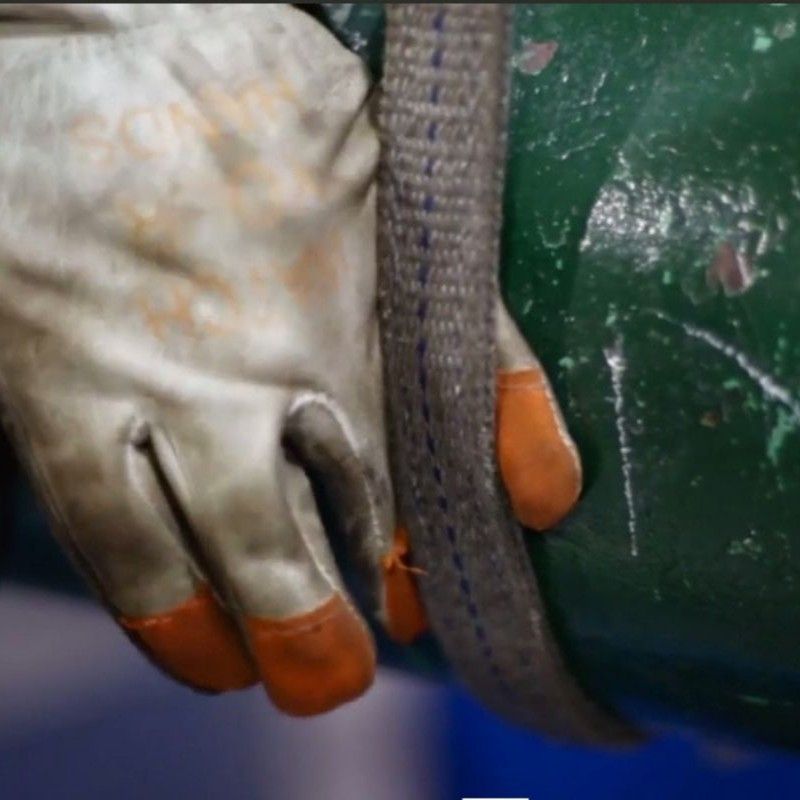
Hand injuries are the second most common workplace injury, with the majority resulting from crushed-related accidents.

A journey management plan is a critical tool for keeping drivers and employees safe on the road.
Underground digging is a critical task in construction, utility work, and maintenance projects, but it comes with serious risks if not done safely.
Heavy equipment safety is essential on any job site, where large machines and powerful tools can pose serious risks if not handled properly.
If you work in industries like construction, energy, utilities, or manufacturing, you’ve likely heard of platforms such as ISNetworld®, Avetta®, Veriforce®, or ComplyWorks®. You may even use one already! But what exactly are these platforms really for and why are they such a big deal?

Alligator vs. Crocodile Safety is more than just knowing the difference between these two reptiles, it’s about understanding how to stay safe if you encounter them.
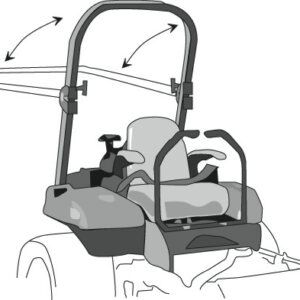
Rollover prevention is a critical safety priority for anyone operating heavy equipment, commercial vehicles, or even personal cars. Rollovers are among the most dangerous types of accidents, often leading to severe injuries, fatalities, and costly damage.
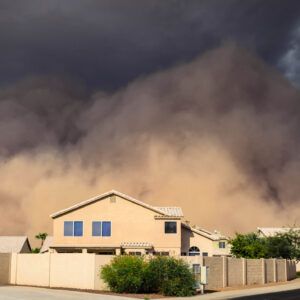
Dust storm safety is an essential topic for anyone who lives, works, or travels in areas where these powerful storms occur. These storms can roll in quickly, reducing visibility to nearly zero, creating dangerous driving conditions, and posing serious health risks.
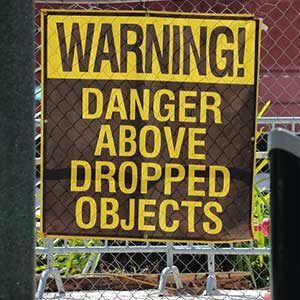
Line of fire is a term used in safety to describe the path of moving objects or forces that could cause injury if you happen to be in their way.
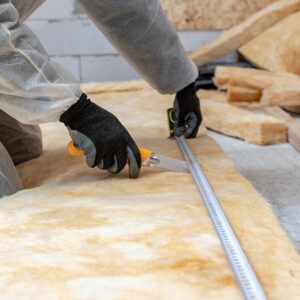
Fiberglass safety is an important topic for anyone who works with or around this common material. While fiberglass is widely used for its strength, durability, and insulation properties, it can also pose health risks if not handled properly.
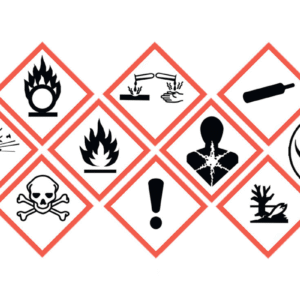
Workplace Hazardous Materials Information System (WHMIS) 2015 is a national hazard communication system that provides information on the safe use of hazardous products in Canadian workplaces.
MSHA Fire Prevention is one of the most critical aspects of keeping miners safe and operations running smoothly.
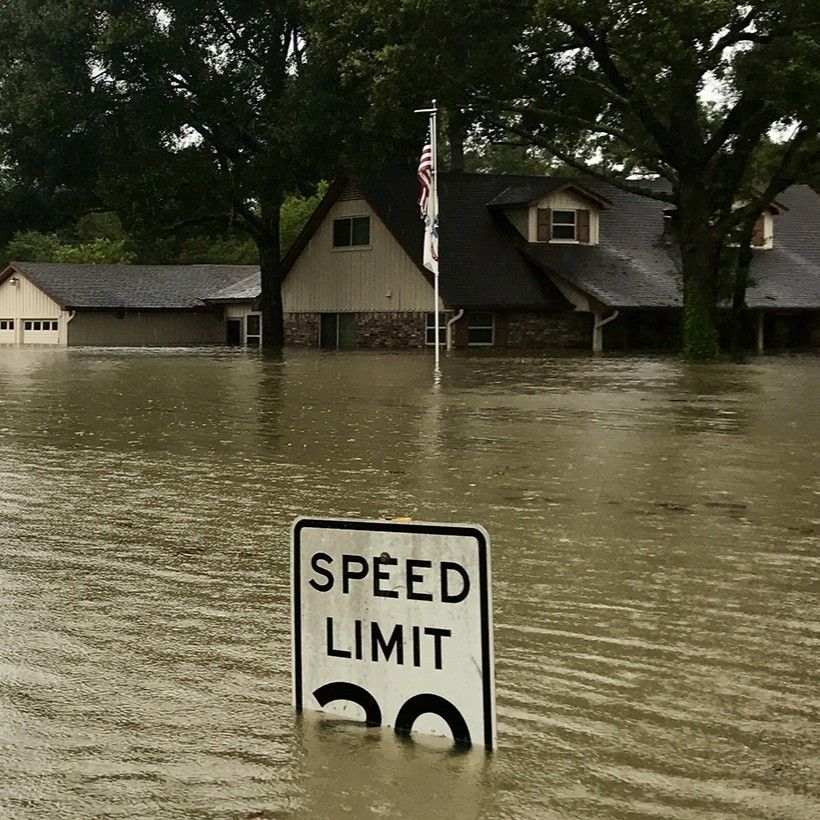
Flood Preparedness and Response is critical for protecting lives, property, and communities. Floods are among the most common and destructive natural disasters, and they can occur with little warning.
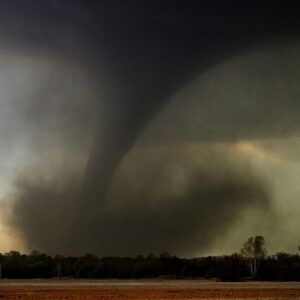
Tornado safety is essential for anyone living in areas prone to severe storms. Tornadoes can develop quickly and with little warning, making preparation, awareness, and a solid emergency plan crucial for protecting yourself, your family, and your property.
The first day back to work can feel like a mix of excitement, nerves, and adjustment. Whether an employee is returning after vacation, medical leave, or a long break, that first day sets the tone for the weeks ahead.

Managing and reducing stress in the workplace is essential for maintaining both productivity and well-being.
Process Safety Management (PSM) is a critical framework designed to prevent catastrophic incidents involving hazardous chemicals.
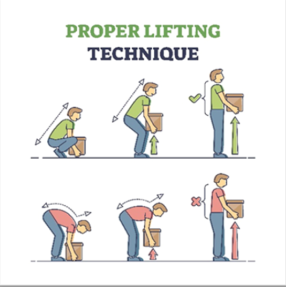
Safe lifting techniques are critical for protecting workers from strains, sprains, and serious back injuries on the job.
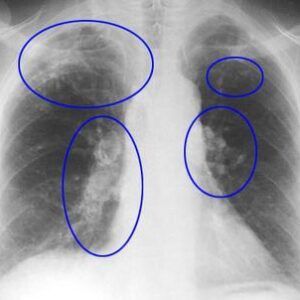
Silicosis is a deadly disease caused by the inhalation of respirable crystalline silica.
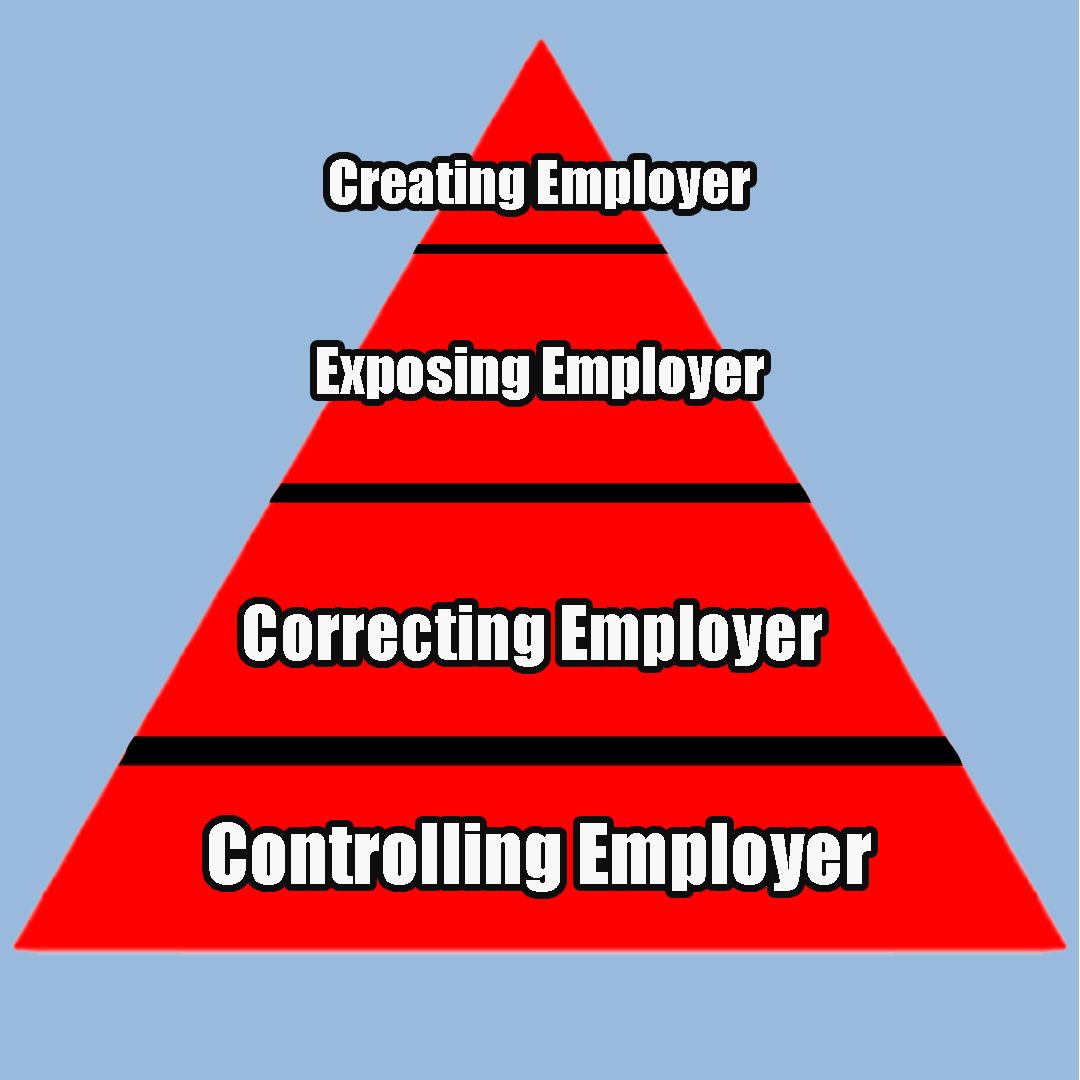
With multiple contractors, subcontractors, and sometimes even temporary workers operating on the same site, responsibilities can quickly overlap and so can risks.
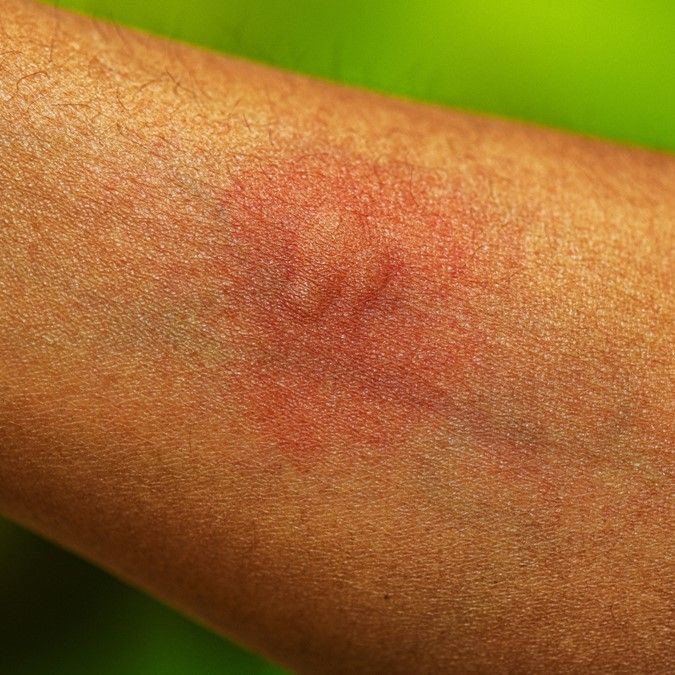
Insect and spider bites may seem like minor nuisances, but they can lead to serious health concerns if not recognized and treated properly.
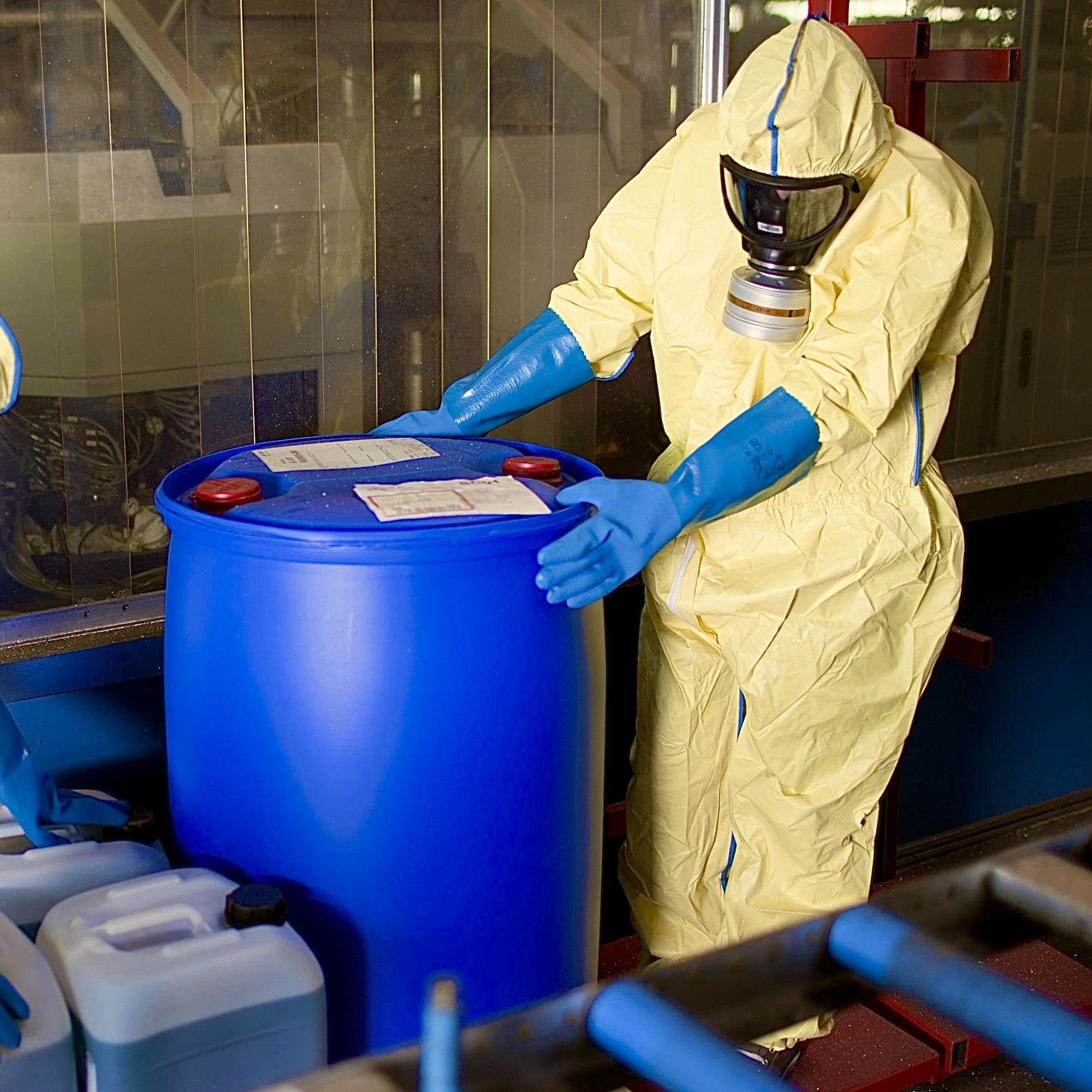
Hazardous waste disposal plays a critical role in protecting people and the environment from harmful substances.
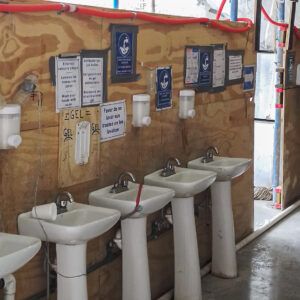
Construction site hygiene encourages good housekeeping and provides workers with clean drinking water, sanitary restrooms, and washing facilities to clean up.
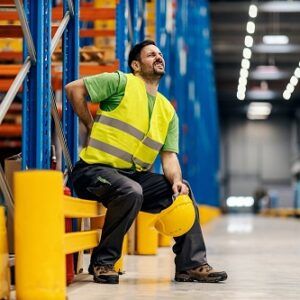
Back injuries are one of the most common workplace health issues, affecting workers across nearly every industry. Whether from heavy lifting, repetitive movements, awkward postures, or long hours of sitting, back injuries can lead to chronic pain, lost workdays, and reduced quality of life.

Restaurant safety for teens is essential in helping young workers navigate the fast-paced and sometimes hazardous environment of the food service industry.
Safety and health programs give workplaces a proactive way to prevent injuries and illnesses before they happen.
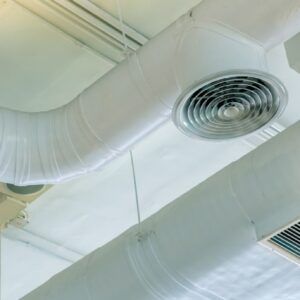
Ventilation is often overlooked in workplace safety, yet it’s vital for protecting employee health.
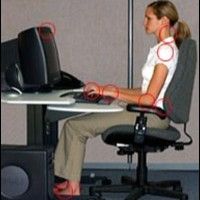
Modern computer workstations present few hazards beyond ergonomics, provided all components are functioning properly.
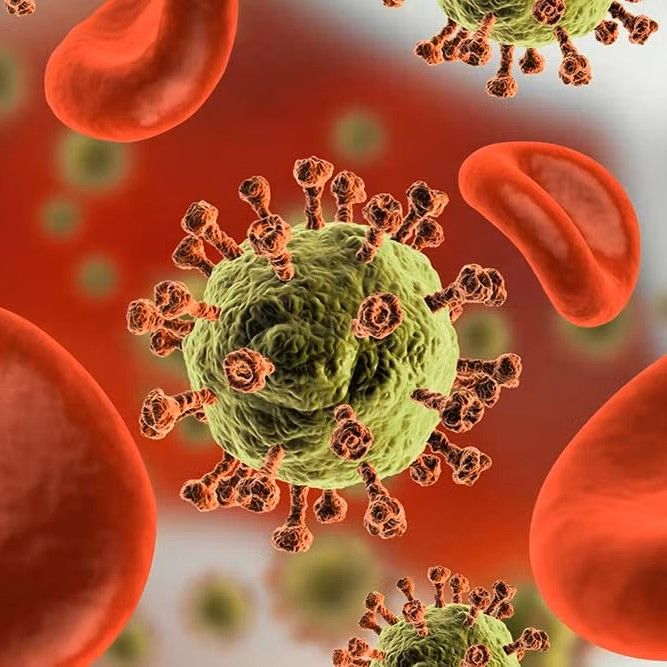
Bloodborne pathogens and needlestick injuries pose serious risks in many workplaces, particularly in healthcare, laboratory, and emergency response settings.

Shortcuts might save time, but when it comes to safety, they can cost everything.

As of 2025, ISNetworld® has rolled out two major updates aimed at making contractor management smoother and more insightful, the redesigned Workers’ Compensation tool and the revamped Scorecard.
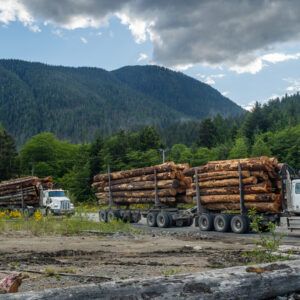
Logging safety is vital in one of the most hazardous industries in the world. From operating heavy machinery to working at great heights, logging comes with unique risks that require strict safety measures.
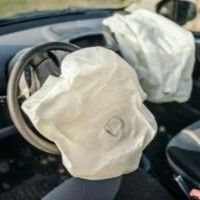
Airbag safety is a crucial part of vehicle protection that every driver and passenger should understand. These life-saving devices are designed to reduce injury during a collision, but knowing how they work and how to respond if they deploy can make all the difference.

Cross-contamination occurs when workers spread contaminants around the worksite and into their homes through a means of soiled clothing, shoes, and skin contact.
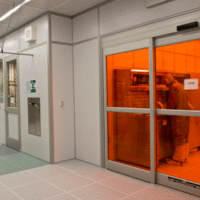
Cleanroom safety is essential to protecting both workers and the integrity of sensitive environments where contamination can compromise products, research, or equipment.

Hemorrhagic Fever viruses (VHFs), along with smallpox, anthrax, plague, botulism, and tularemia, are classified by the Centers for Disease Control and Prevention (CDC) as among the six biological agents most likely to be used in bioterrorism.

Behavior-Based Safety (BBS) is a proactive approach that centers on identifying and reinforcing safe behaviors while addressing at-risk actions before they lead to accidents.
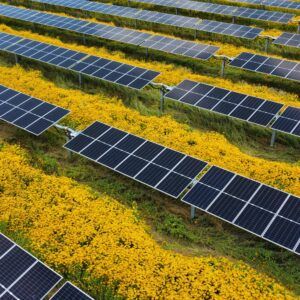
Solar energy is a rapidly expanding sector within the green energy industry, creating a growing number of green jobs. However, the manufacturing, installation, and maintenance of solar systems come with a range of worker health and safety hazards.
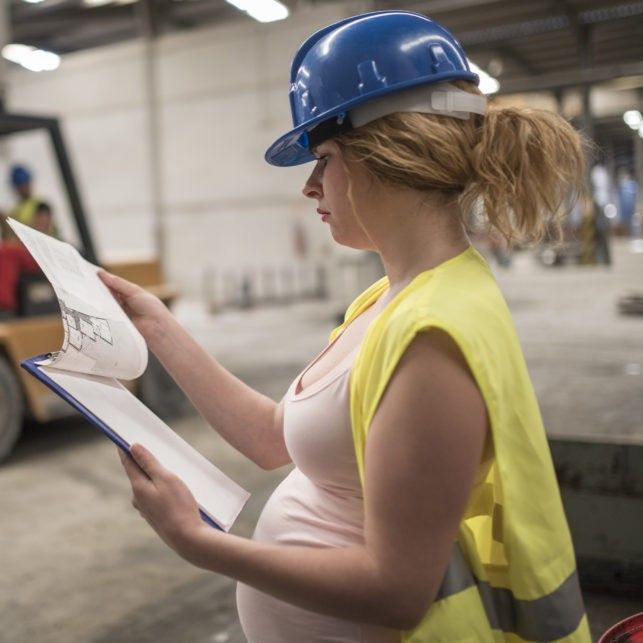
Exposure to reproductive hazards in the workplace is becoming a growing health concern. These hazards have the potential to cause problems, such as infertility, miscarriage, and birth defects.
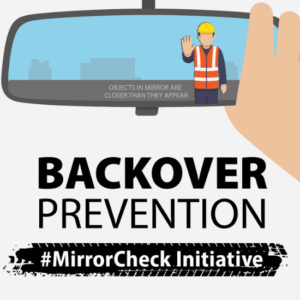
Backover incidents are a serious hazard on many job sites, especially where large vehicles, equipment, and limited visibility are involved.
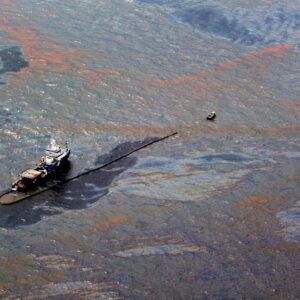
Oil spills are one of the most damaging environmental disasters, with the potential to devastate marine ecosystems, harm wildlife, and disrupt local economies.

Measles is a highly contagious viral illness that can lead to serious health complications, especially in young children and those with weakened immune systems.
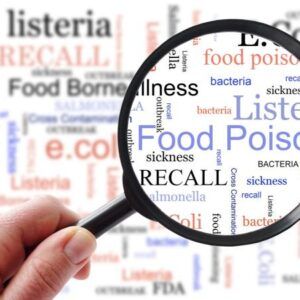
Foodborne diseases threaten millions each year, turning what should be nourishing meals into sources of illness.

Avian Influenza, also known as bird flu, is a disease caused by infection with avian influenza Type A viruses.

Whether you're a frontline worker, safety manager, or business owner, understanding OSHA standards is essential to maintaining a safe and compliant workplace.
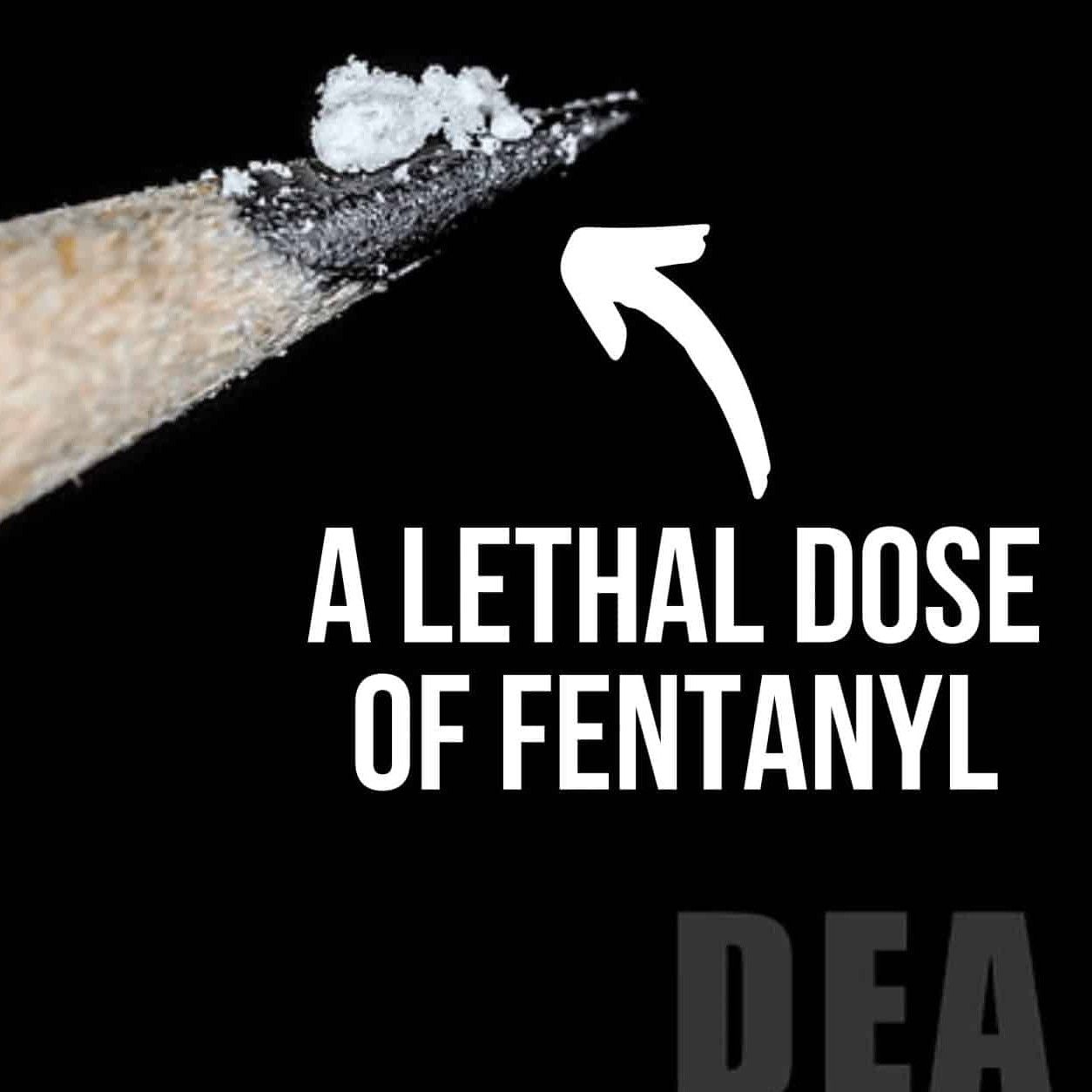
Fentanyl in the workplace is a growing safety concern that many employers and workers are still learning to navigate.
Mining is one of the most hazardous industries in the world, where workers regularly face serious risks, including cave-ins, explosions, dust exposure, and heavy machinery accidents.
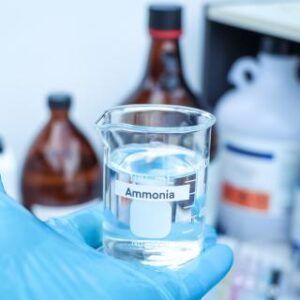
Ammonia is a widely used chemical in many industries, from agriculture and food processing to manufacturing and mining.
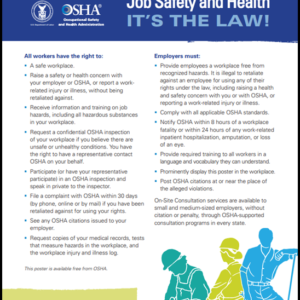
Whether you're new to the workforce or a seasoned professional, knowing your legal rights helps you advocate for yourself, while fulfilling your responsibilities contributes to a safer, more productive workplace.
When diesel fuel burns, it produces exhaust made up of gases and fine soot particles. These particles are small enough to be inhaled and deposited deep in the lungs, where they can pose serious health risks over time.
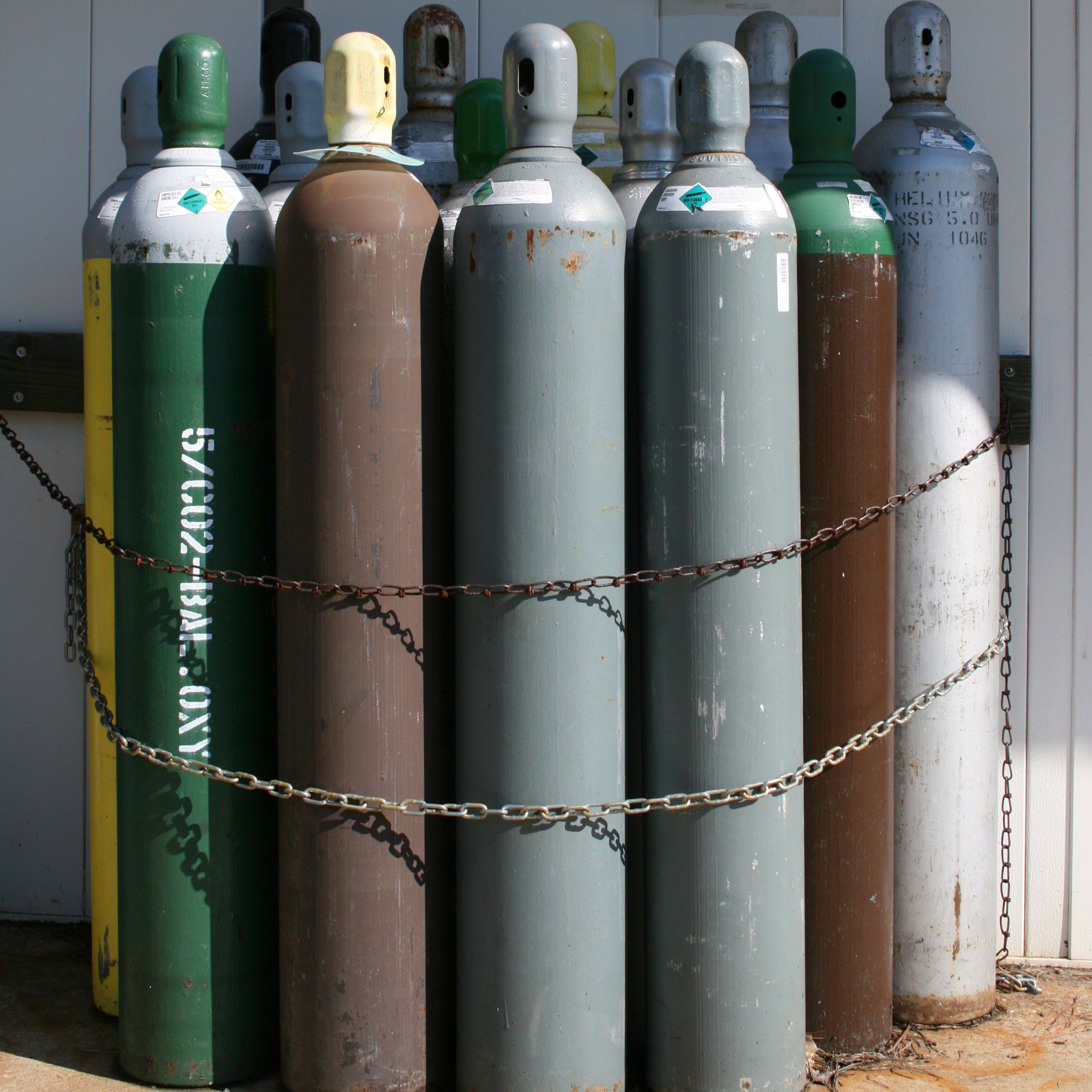
Compressed gas cylinders are commonly used across various industries, from welding operations to fueling industrial trucks. While these cylinders are essential for many daily tasks, they pose serious risks when not handled properly.
Common sense is often considered second nature, but in the workplace, it's a critical part of staying safe.
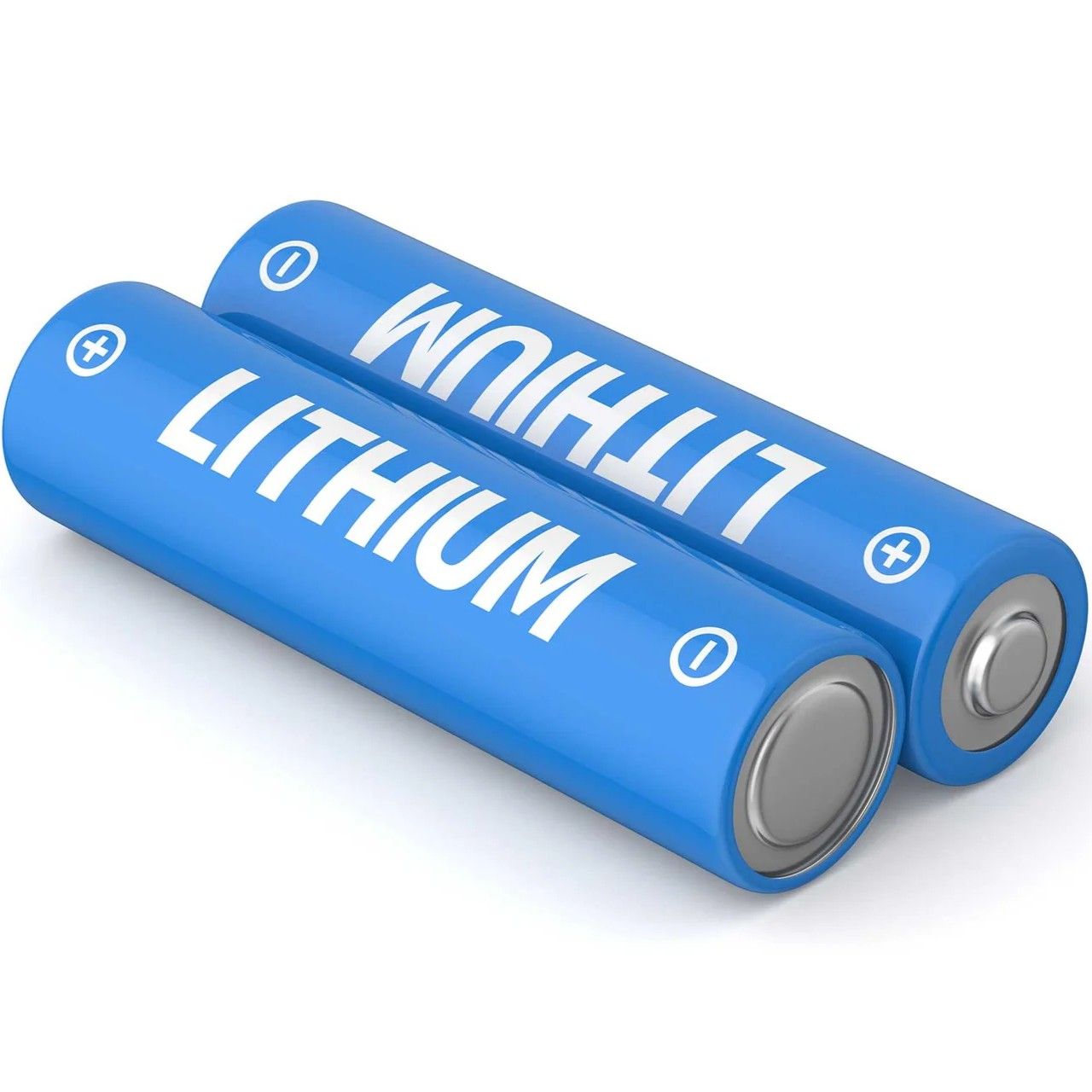
Lithium batteries power many of the essential devices we use every day, from smartphones and laptops, to electric vehicles and smoke alarms. While these batteries are efficient and widely used, they can pose serious safety hazards if not handled, used, or stored properly.
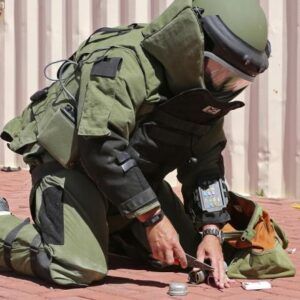
Bomb threats are serious incidents that demand a calm, informed, and well-organized response. Every threat is unique, and how you respond depends on the environment in which it occurs.
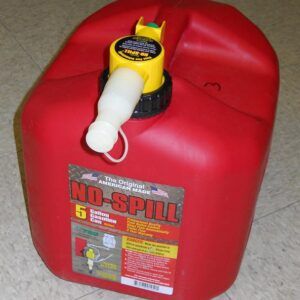
Gasoline safety is essential on any job site where fuel is used. Its flammable vapors and health risks make proper handling, storage, and use critical to preventing fires and injuries.
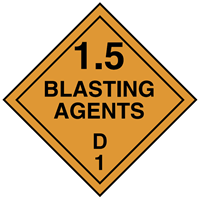
Blasting work is essential in construction, mining, and demolition, but it carries serious hazards.

Medical surveillance involves regularly monitoring workers' health to identify any effects related to workplace hazards.

Workplace distractions are more than just minor annoyances, they're a major obstacle to productivity and can present serious safety hazards.
On July 24, 2025, the U.S. Department of Labor launched new self-audit programs to help employers, unions, and pension plans boost compliance with federal labor laws.
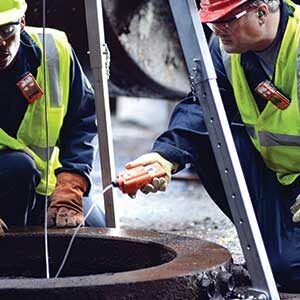
Atmospheric testing is a critical step in identifying and managing hazardous conditions in the workplace.
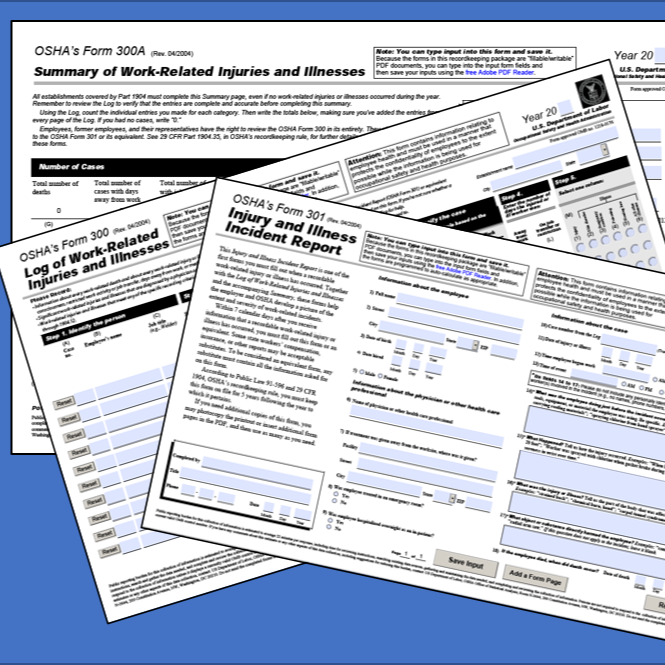
OSHA recordkeeping is a critical component of workplace safety management, helping employers track and document work-related injuries and illnesses.
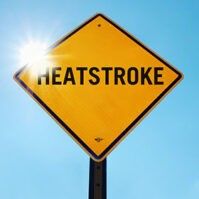
Heat related illnesses are a serious and often overlooked health risk, especially during the hot summer months or in workplaces exposed to high temperatures.
Office safety is often overlooked, but it plays a vital role in creating a healthy and productive work environment.
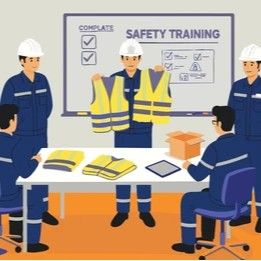
Have you ever found yourself wondering, "What is the importance of safety training?" In today’s fast-paced work environments, ensuring the safety of employees is more critical than ever.
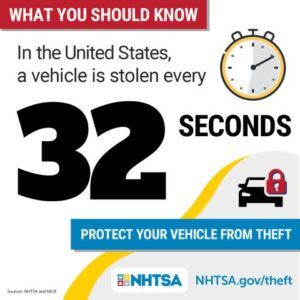
Vehicle Theft Prevention Month is an important time to raise awareness about the growing issue of vehicle theft and the steps drivers can take to protect their vehicles.
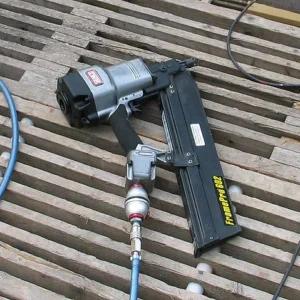
Powder actuated tools are powerful fastening devices commonly used in construction and manufacturing. However, their power also means that proper training and safety precautions are essential.
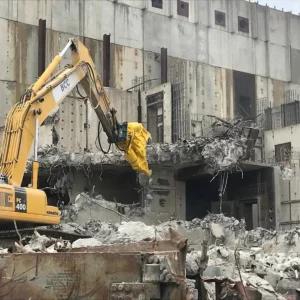
Demolition work is a critical yet complex process that demands meticulous planning and unwavering attention to safety.

Workplace suicides are a deeply troubling and often overlooked issue that affects employees, employers, and communities alike. Addressing this sensitive topic is crucial.
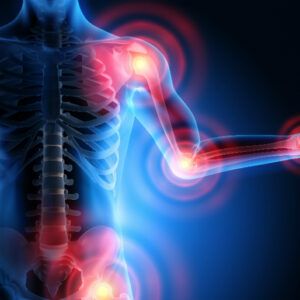
Musculoskeletal Disorders (MSDs) are a common and often overlooked health issue affecting millions of workers worldwide.
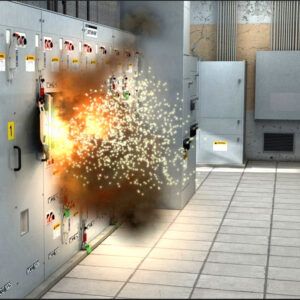
Arc flash safety is a critical topic that every electrical worker and facility manager must prioritize to prevent devastating injuries and costly damages.
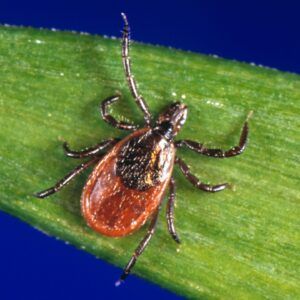
Tick bites and Lyme disease are more common than many realize, especially during warmer months when outdoor activities are at their peak.
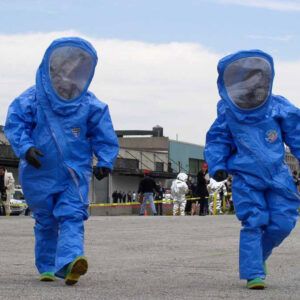
Chemical spill response is a critical process that ensures the safety of workers, the environment, and the surrounding community when hazardous substances are accidentally released.

Site safety inspections are a crucial part of maintaining a safe and compliant workplace, especially in industries such as construction, manufacturing, and warehousing.
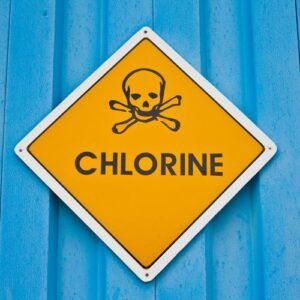
Chlorine safety is a critical concern for workers in industries where this powerful chemical is used. While chlorine is essential for various processes, it poses significant health risks if not handled properly.
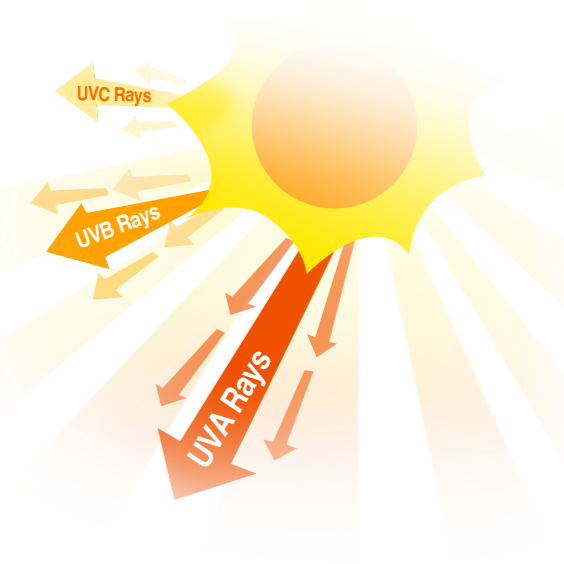
UV radiation protection is crucial for preventing long-term damage to your skin and reducing the risk of skin cancer.
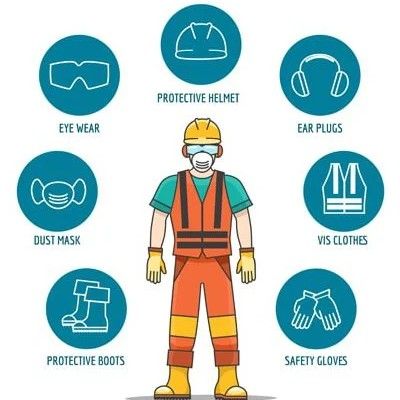
On December 11, 2024, OSHA announced the finalization of an important revision to the Personal Protective Equipment (PPE) standard for the construction industry.
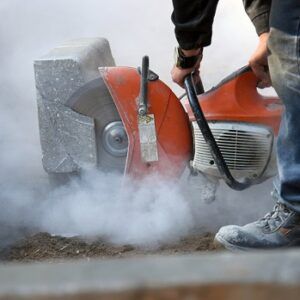
Concrete hazards are an unavoidable part of any construction project, and recognizing these dangers is the first step toward maintaining a safe work environment.
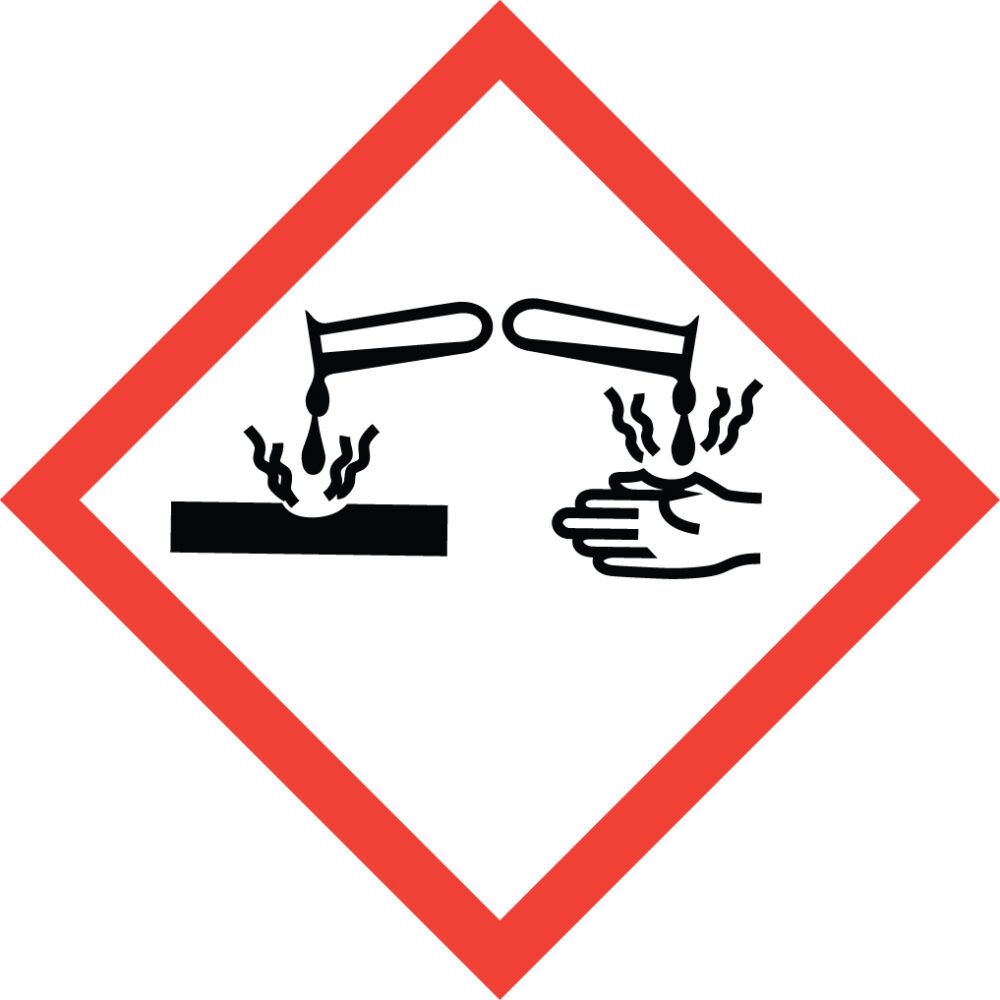
Corrosives safety is a critical aspect of maintaining a safe workplace, especially in environments where hazardous chemicals are used or stored.

Wood dust exposure is a serious concern for worker safety, particularly in industries like woodworking, construction, and furniture manufacturing.
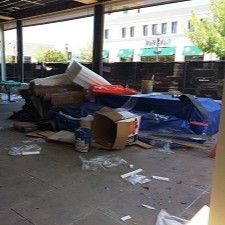
General workplace housekeeping is more than just keeping your space tidy; it's an essential practice that plays a crucial role in promoting safety, productivity, and overall well-being in the workplace.
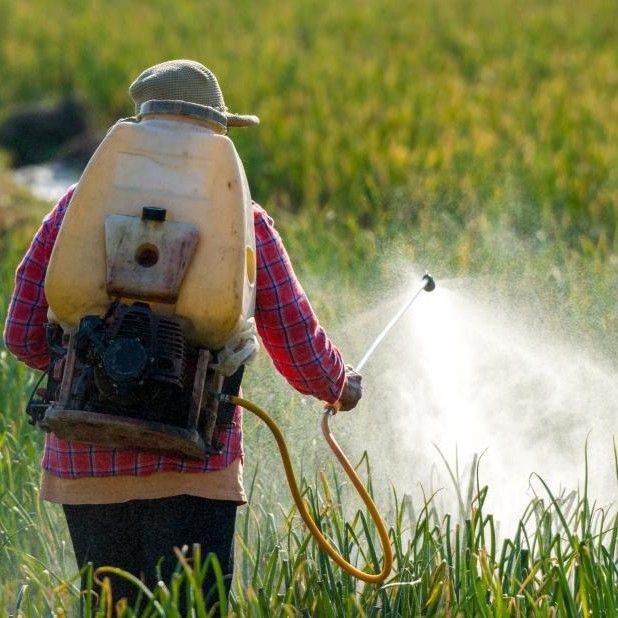
Pesticide regulations are essential for ensuring the safe and responsible use of chemicals in agriculture, public health, and pest control.

Personal safety in public places is a vital aspect of everyday life that requires awareness and precaution.
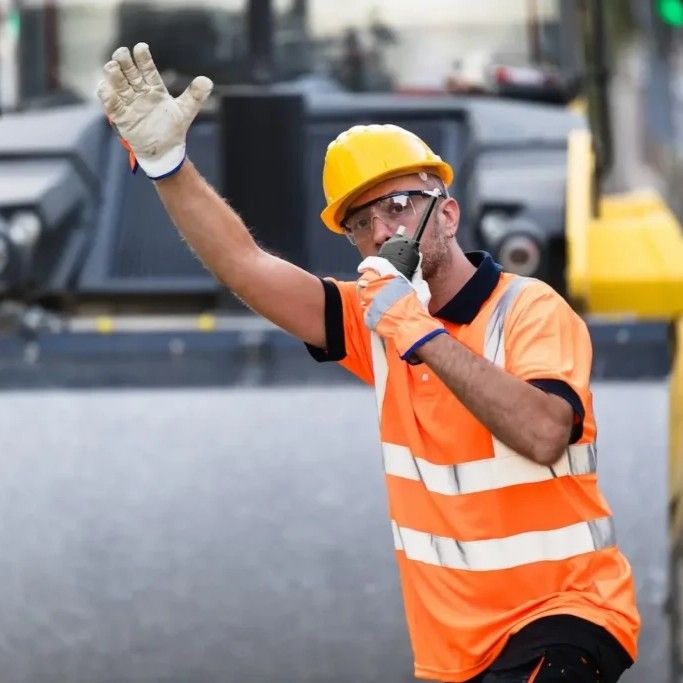
Spotter safety is a critical component of workplace safety, especially in industries like construction, where heavy machinery and equipment are used.
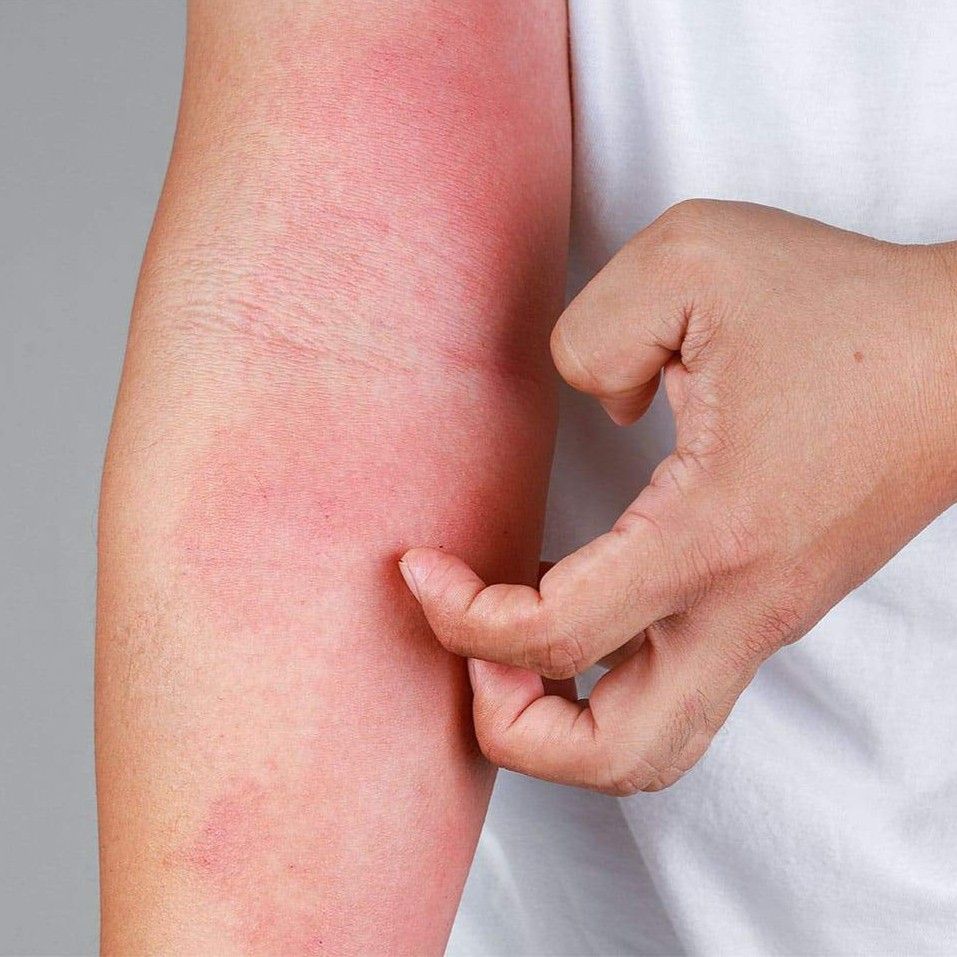
Dermatitis is a common skin condition that causes inflammation, redness, and irritation, often as a result of exposure to allergens, irritants, or environmental factors.
Asbestos in construction has long been a critical concern due to its widespread use in building materials for fire resistance and durability.

Sun protection is crucial for workers who spend long hours outdoors. Taking proactive steps to protect your skin can prevent serious health risks.
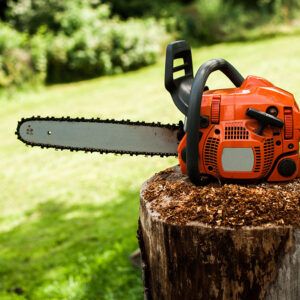
Chainsaw safety is crucial for workers who operate these powerful tools in forestry, construction, and landscaping.
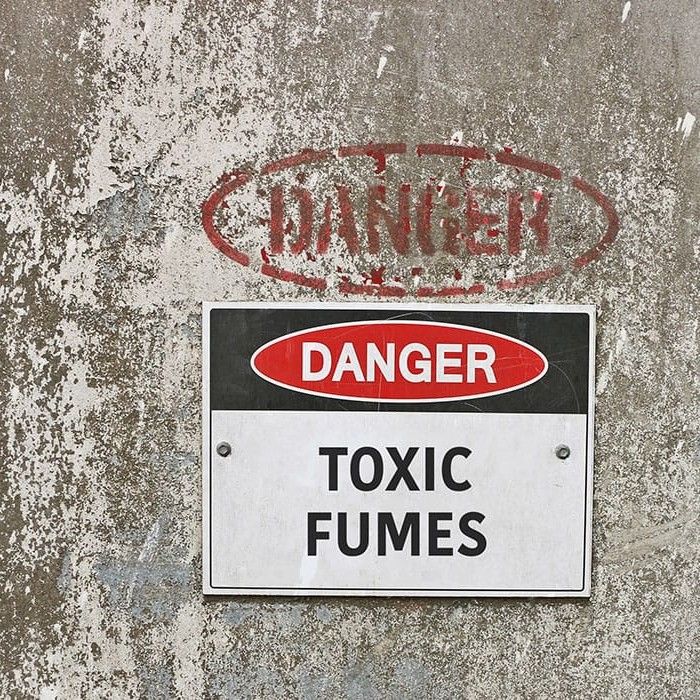
Occupational-related cancer is a serious concern for workers in various industries, as prolonged exposure to certain chemicals, materials, or environments can increase the risk of developing cancer.
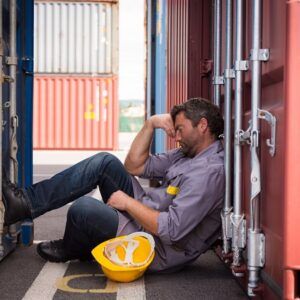
Fatigue management in the workplace is essential for maintaining optimal performance and well-being.

Rabies safety is essential for preventing exposure to this potentially fatal virus. Taking the right precautions can help protect both you and your pets from the risks associated with rabies.
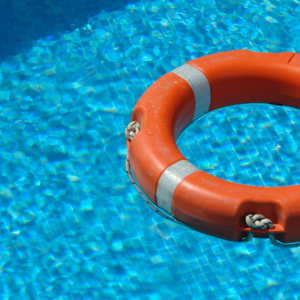
Drowning prevention is a vital component of worker safety for those who perform jobs around water, such as lifeguards, dock workers, and construction crews near bodies of water.

Valley fever is a fungal infection caused by inhaling spores from the soil, and it’s more common than many realize.

The Heimlich maneuver is a first-aid method used when someone is choking. The Heimlich should only be used if the victim is conscious and choking.

Emergency exits are essential safety features in any building, providing a safe and efficient way for people to evacuate during an emergency.
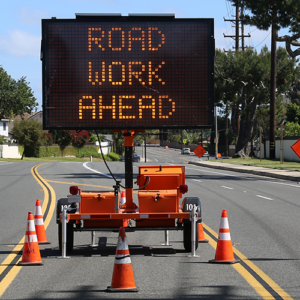
Work zone traffic safety is a critical issue that affects both drivers and construction workers alike.
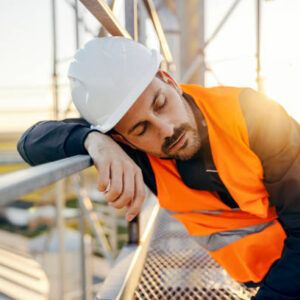
Sleep deprivation is a serious and often overlooked issue in the construction industry.
In 2025, new OSHA regulatory changes are set to take effect, specifically designed to elevate worker safety within the construction industry.
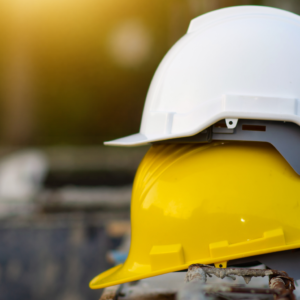
Hard hat safety is one of the most essential aspects of protecting workers in environments where head injuries are a risk.
Shelter-in-place is a crucial safety measure designed to protect individuals during emergencies when evacuation is not a safe option.
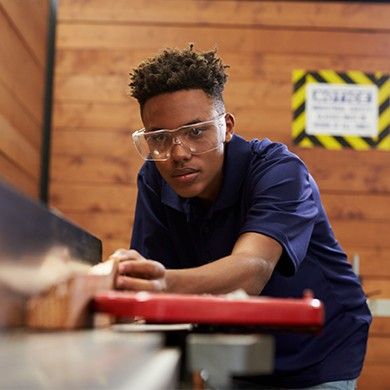
As young workers step into the workforce, they bring enthusiasm, fresh ideas, and energy to their jobs. However, alongside these qualities comes a critical need for safety awareness.
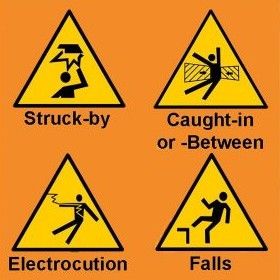
In the construction industry, certain hazards are responsible for the majority of worker fatalities. These life-threatening risks continue to impact job sites, despite advancements in safety protocols.
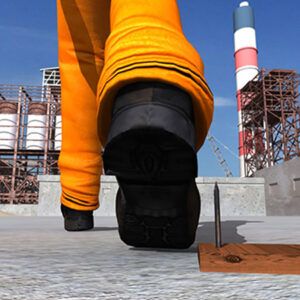
A near miss is an incident that had the potential to cause injury or damage but fortunately didn’t result in any harm.
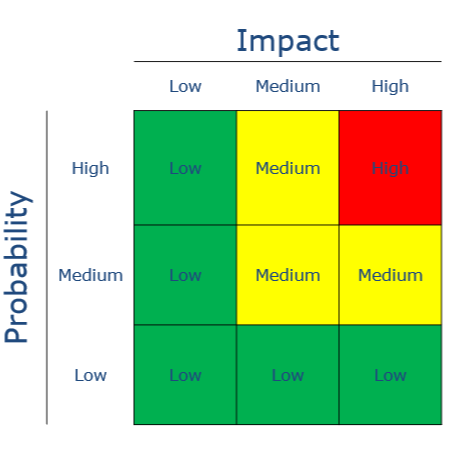
A risk assessment matrix is a powerful tool for evaluating and prioritizing potential hazards in any environment, from the workplace to everyday life.

Distracted driving has become a major safety concern on the road, with countless accidents happening each day due to a lack of focus behind the wheel.
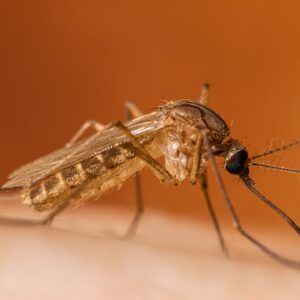
West Nile Virus is a serious mosquito-borne illness that has increasingly captured the attention of health experts and the public alike.

Poisonous plants are often deceptively beautiful, luring us with their vibrant colors and delicate petals, yet concealing a dangerous secret beneath their surface.

Occupational noise is an unavoidable aspect of many workplaces, from construction sites to manufacturing floors. However, prolonged exposure to high noise levels can have serious health consequences.
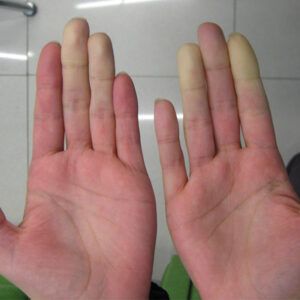
Occupational vibration exposure is a common concern in many industries, where workers are regularly exposed to vibrating machinery or tools.
Ladder Inspection and Maintenance are crucial practices that ensure the safety and functionality of ladders used in the workplace.
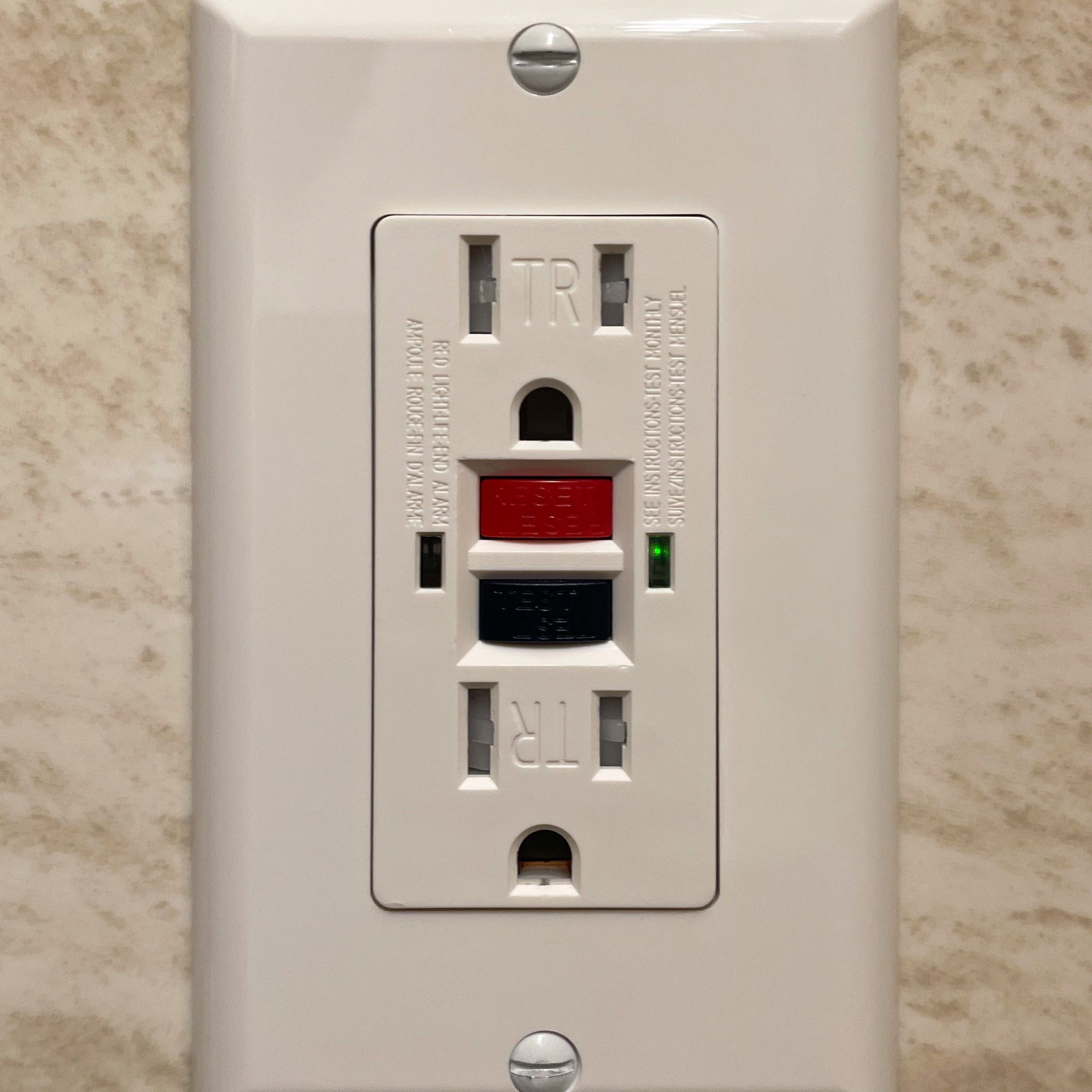
Ground Fault Circuit Interrupters (GFCIs) are essential safety devices that protect people from electrical shocks by quickly detecting and interrupting dangerous ground faults.
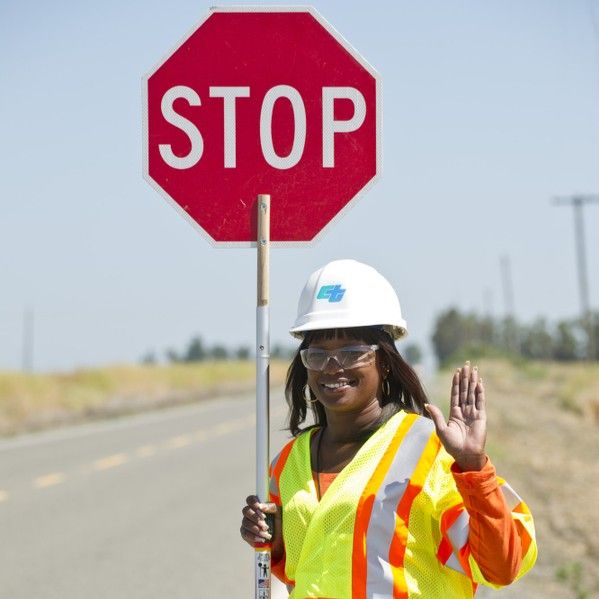
Flagger safety is a critical aspect of managing traffic in construction zones, roadways, and other work environments.
Emergency eyewash stations are a vital safety feature in workplaces where chemicals, hazardous materials, or debris pose a risk to eye health.
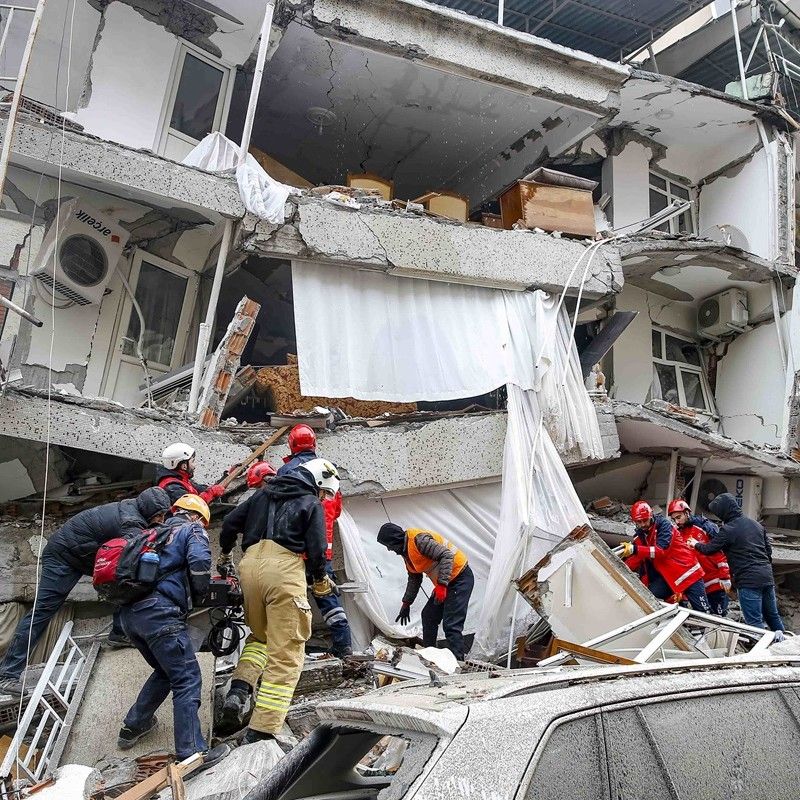
Earthquake safety is a critical aspect of preparing for natural disasters, especially in regions where seismic activity is common.
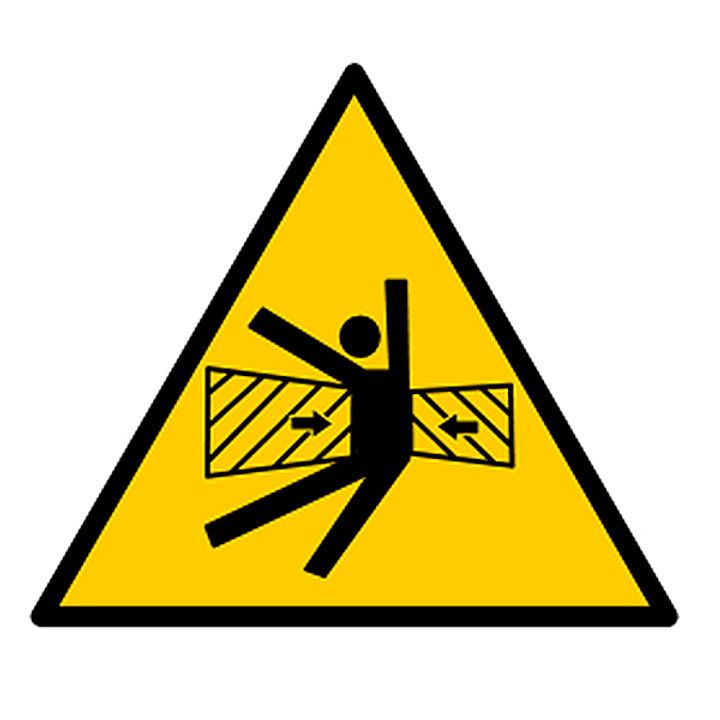
Caught-In and Caught-Between injuries are some of the most serious and often overlooked workplace hazards.
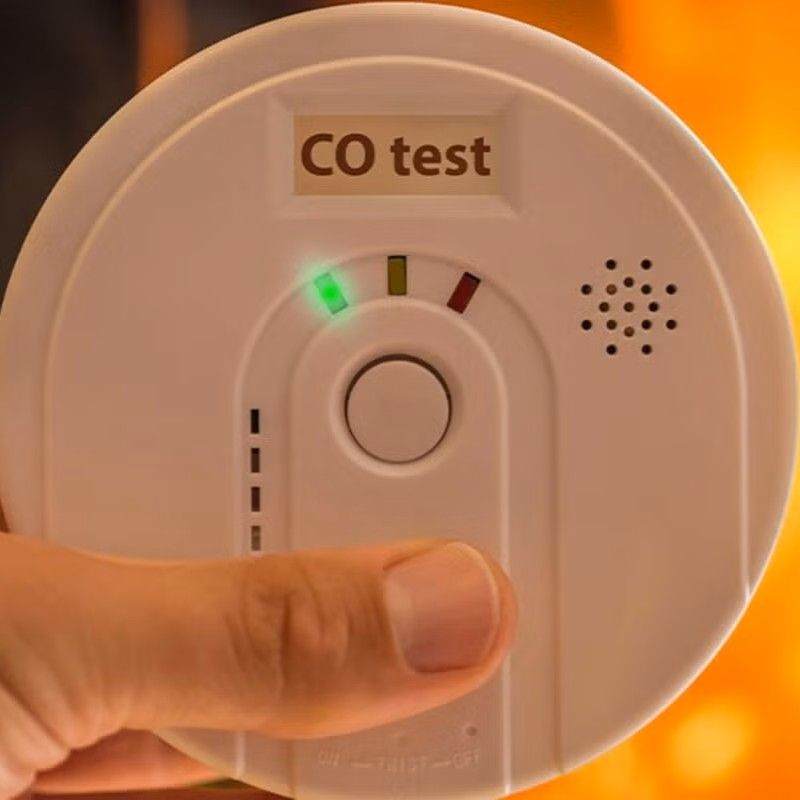
Carbon Monoxide (CO) is a poisonous, colorless, odorless, and tasteless gas. While CO itself lacks any detectable scent, it can often be present alongside other gases that do have an odor.

Mold safety is an essential part of maintaining a healthy indoor environment. Whether at home or in the workplace, it's important to understand the risks mold poses and how to prevent it from becoming a serious concern.
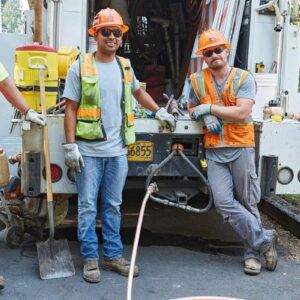
High visibility clothing is more than just a safety accessory, it’s a critical component in preventing accidents and ensuring workers are seen in high-risk environments.
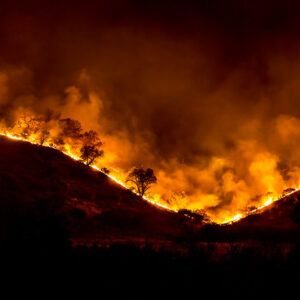
Wildfire safety is a critical concern for workers in areas at risk of these fast-moving and unpredictable fires.
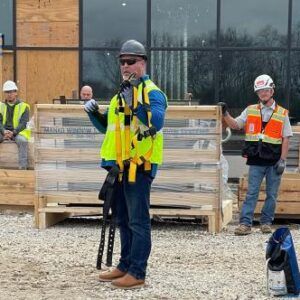
Running a safety meeting sounds like an easy task, however, it can be complicated. Safety meetings are designed to be short, yet informative.
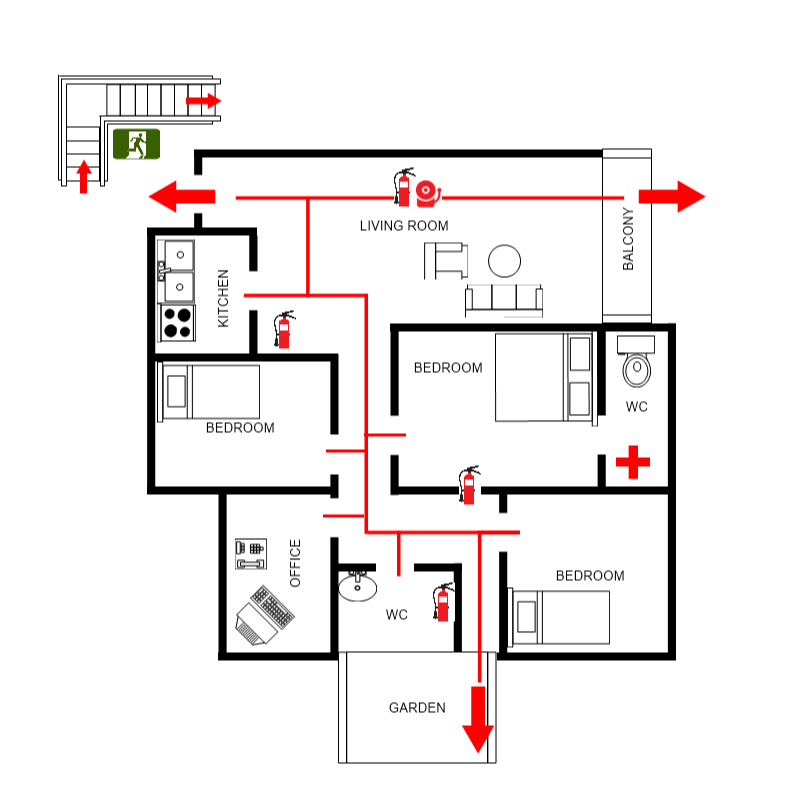
Evacuation planning is a critical component of workplace safety, ensuring that everyone knows how to respond in the event of an emergency.
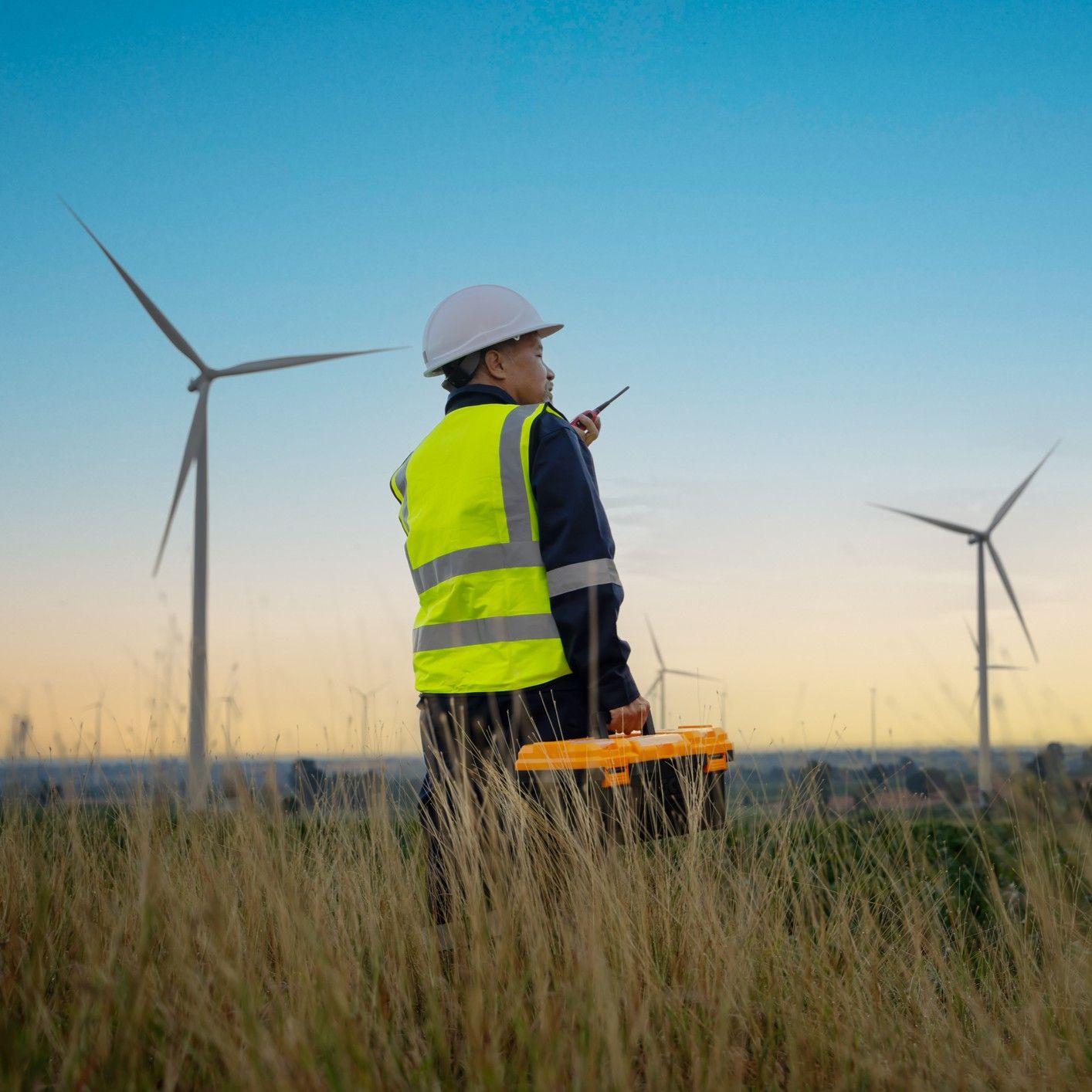
Lone workers in construction face a unique set of challenges that require careful planning and heightened awareness.

Dangerous wildlife, such as mountain lions, moose, elk, and bears, may be encountered by workers performing tasks outdoors or in rural areas.

Workplace stress is an all-too-common challenge faced by employees across industries, and it can take a significant toll on both mental and physical well-being.

In today’s digital world, cybersecurity safety has become more critical than ever. With the increasing frequency and sophistication of cyberattacks, individuals and organizations alike must prioritize protecting sensitive information.
Incident investigation is key to workplace safety, helping identify causes and uncover opportunities for improvement.
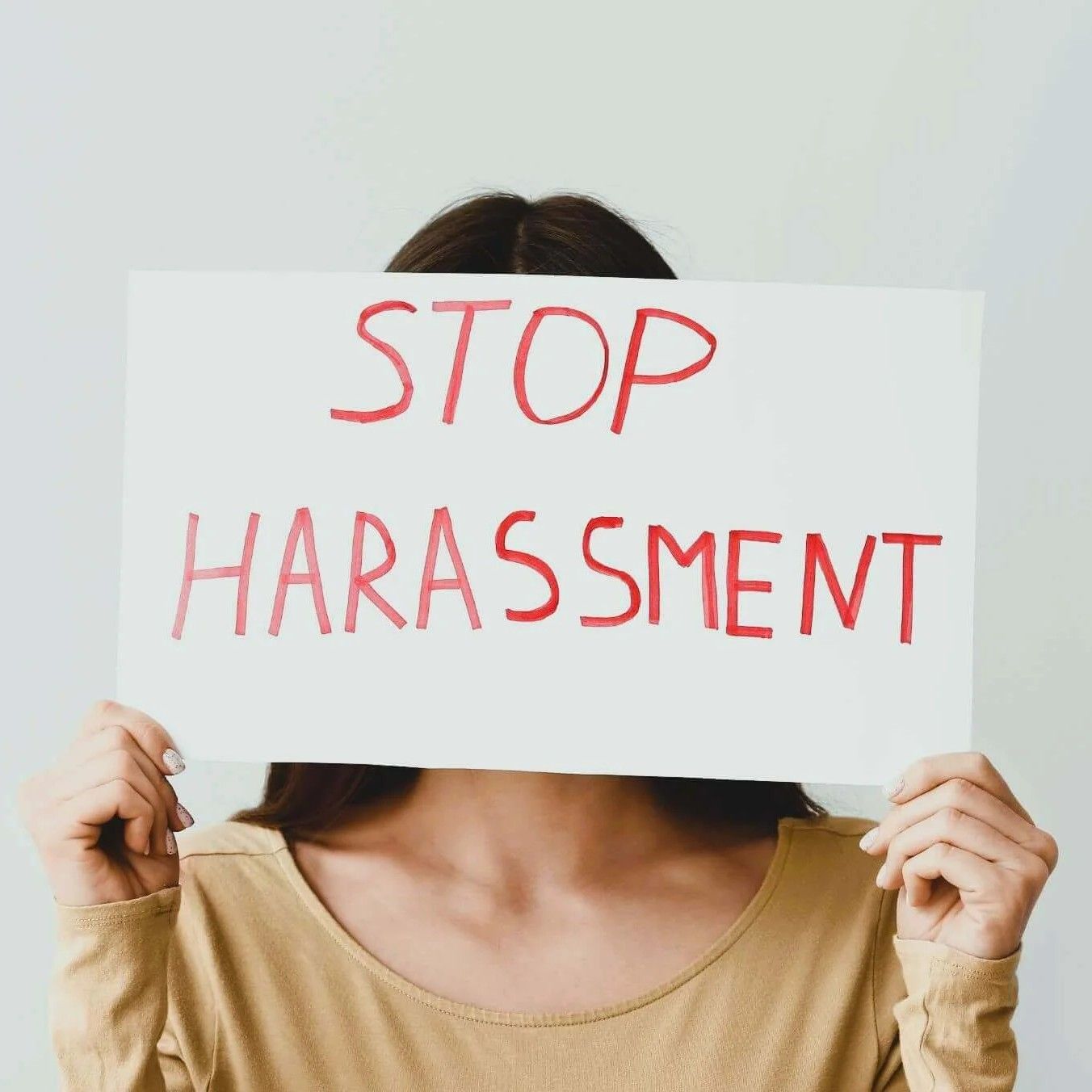
Sexual harassment at work is a serious issue that affects countless individuals, yet it often goes unspoken or overlooked.
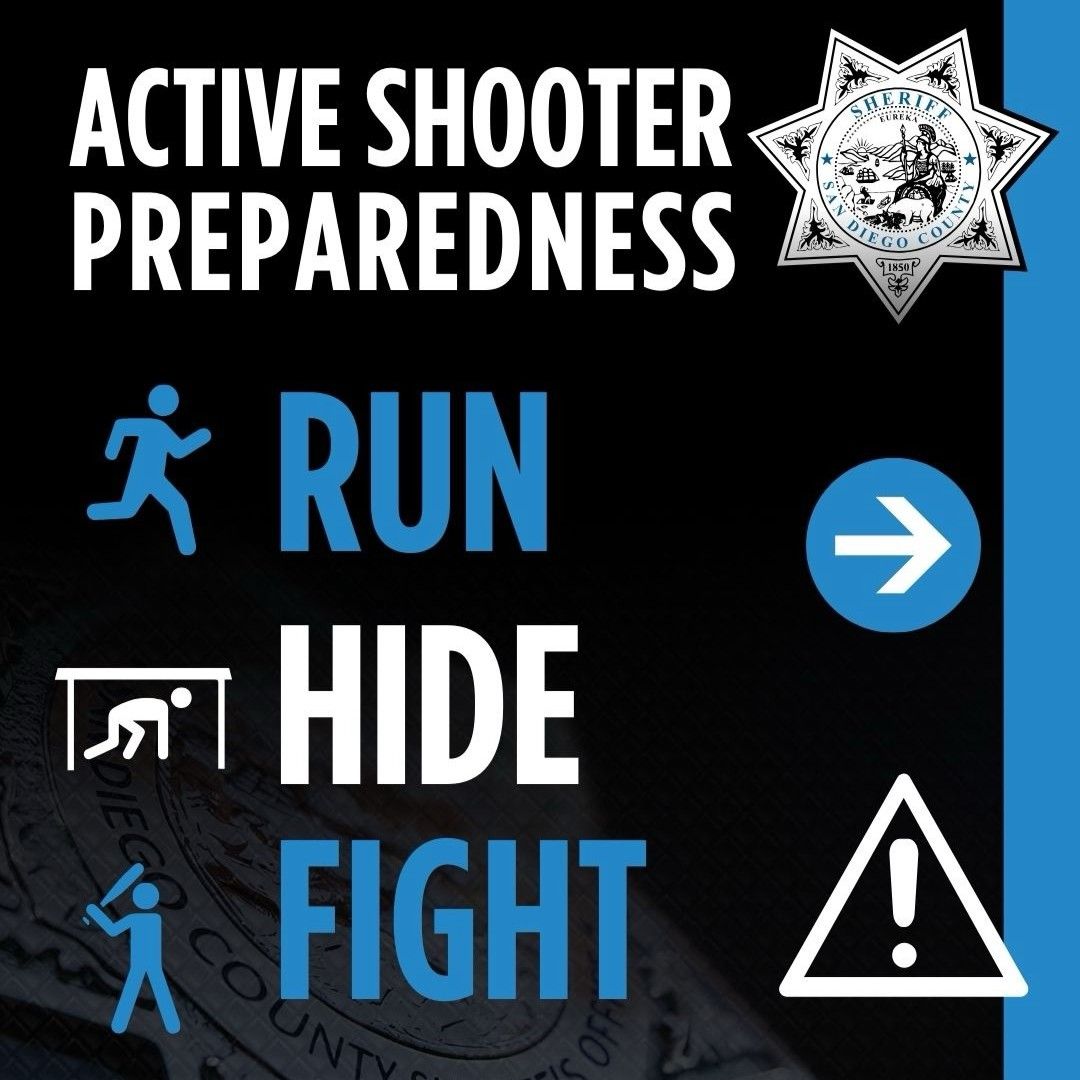
Active shooter response is a critical topic that everyone should understand, as these situations can unfold rapidly and with little warning.
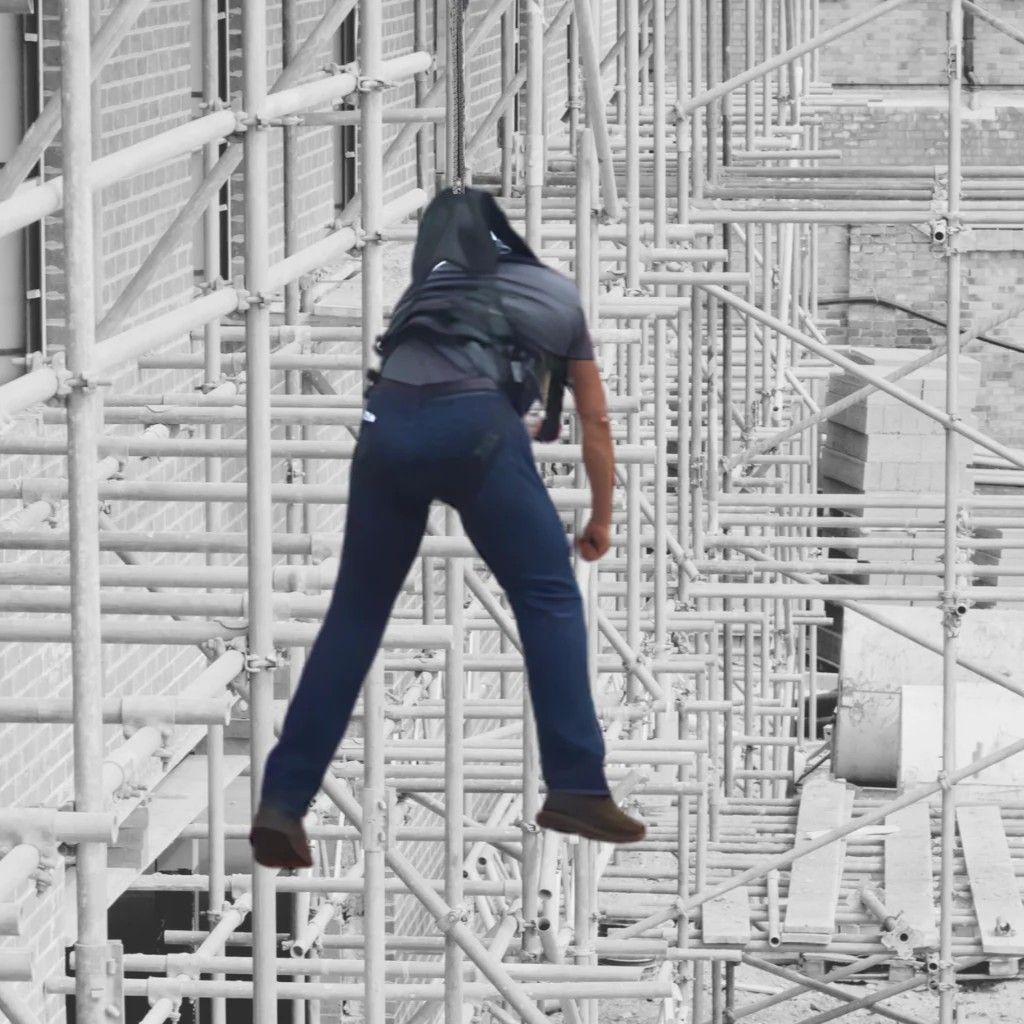
Suspension trauma is a serious and often overlooked condition that can occur when a person is suspended in a harness for an extended period, typically in a fall arrest situation.
The MSQ® is a critical component of the ISNetworld® platform, designed to assess and verify a company’s safety programs, policies, and practices.
TRAVS™ are a key element within ISNetworld®, helping companies align their safety programs with industry standards and client expectations.
RAVS® is a registered trademark of ISNetworld® that stands for Review and Verification Services.
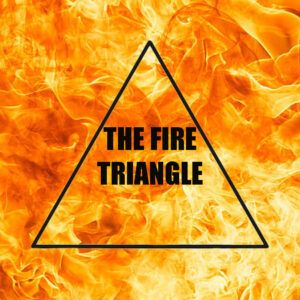
The fire triangle is essential to understand as it aids in how fire extinguishers work.
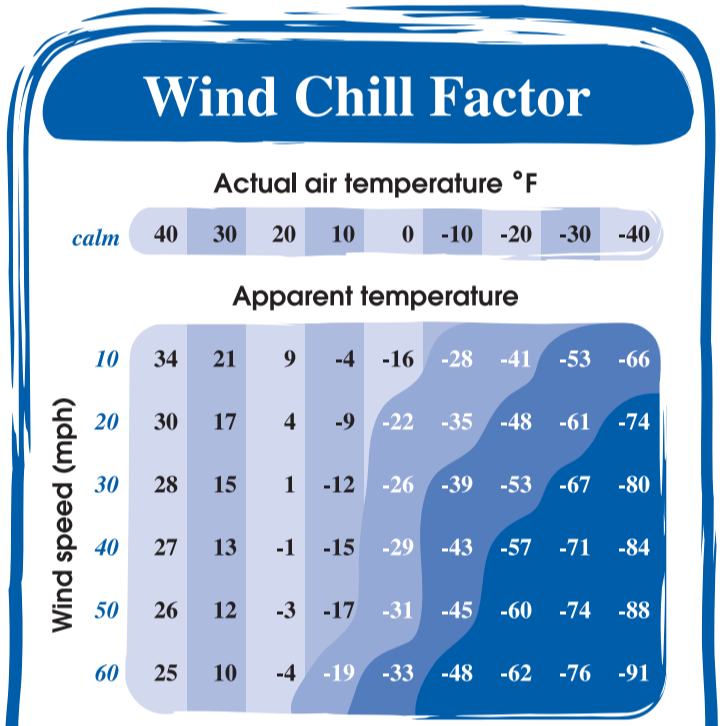
The wind chill index is a crucial measurement that helps us understand how cold the air feels when wind is factored in.

Wildlife safety is essential for protecting both people and animals in natural environments
Emergency response is a critical aspect of managing crises, ensuring the safety and well-being of individuals when disaster strikes.
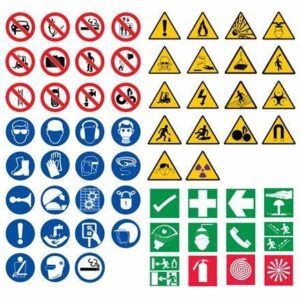
Workplace safety signs are essential tools for communicating potential hazards and ensuring safety.
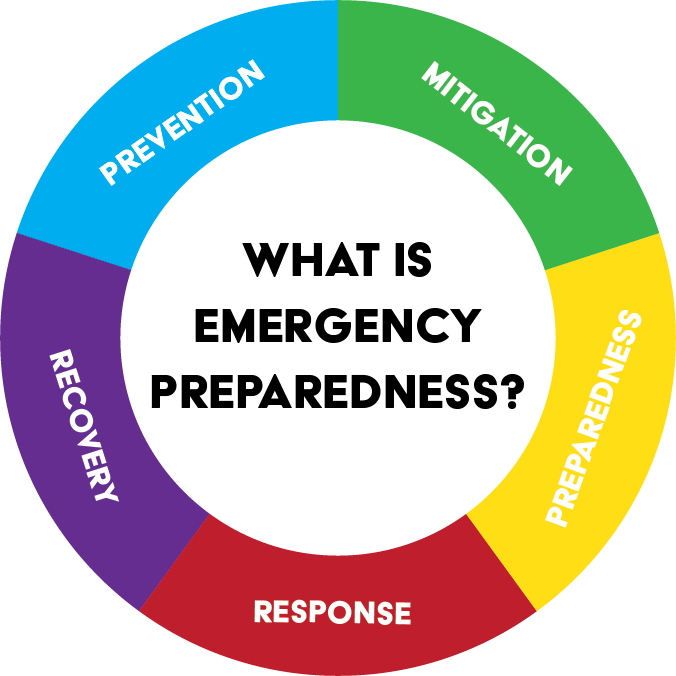
Emergency preparedness in the workplace is critical for ensuring the safety of employees and minimizing the impact of unexpected events.
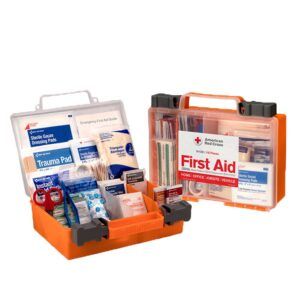
Accidents can happen at any time, and being prepared with the right first aid supplies can be crucial in providing immediate care and preventing more serious complications.
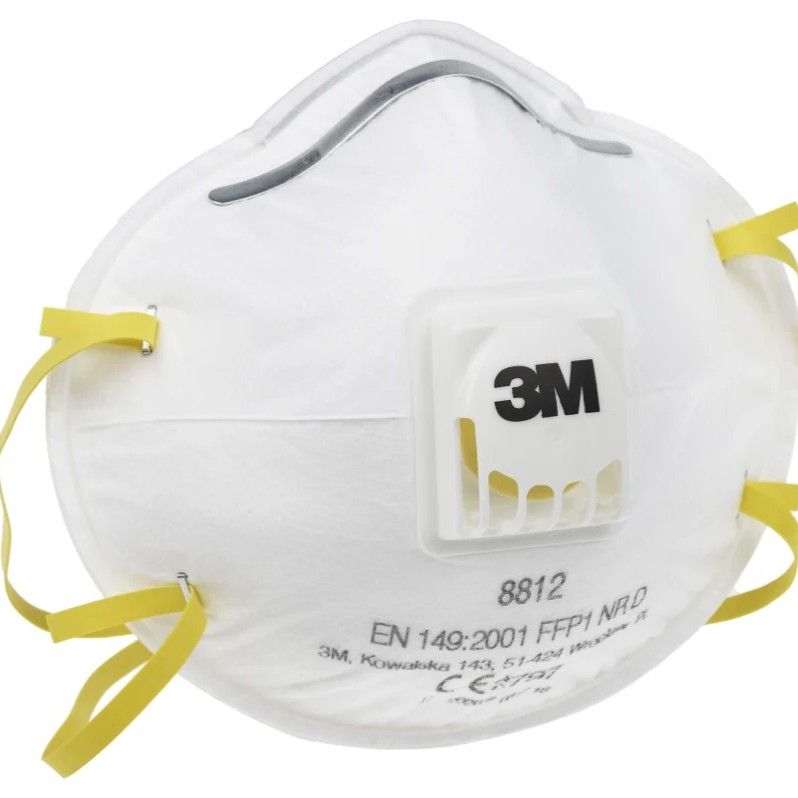
Wearing disposable respirators is essential for ensuring protection against airborne hazards. But simply having a respirator isn't enough.
When it comes to workplace safety, knowing your worker rights is the first step in protecting yourself from potential hazards.

Workplace bullying is frequently overlooked, yet it impacts countless employees across organizations everywhere.

If you’ve encountered unsafe working conditions or have faced retaliation for reporting violations, filing a complaint with the Occupational Safety and Health Administration (OSHA) is an important step in protecting your rights and ensuring a safer workplace.
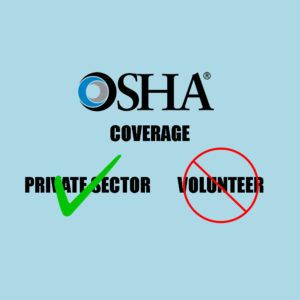
The Occupational Safety and Health Administration plays a vital role in ensuring safe and healthy working conditions for employees across the United States. But who exactly does OSHA cover?
In today’s fast-paced business world, managing vendor relationships, ensuring compliance, and mitigating risks can be overwhelming.

Scams are becoming more sophisticated in 2025, and it’s more important than ever to stay aware of the latest tactics used by fraudsters.
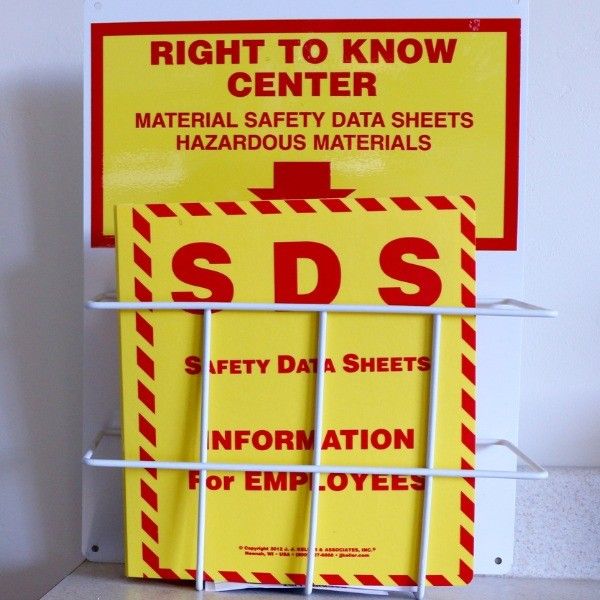
SDSs (Safety Data Sheets) were originally known as MSDS (Material Safety Data Sheets). However, since the adoption of the GHS (Globally Harmonized System of Classification and Labelling of Chemicals), MSDS has transitioned into SDS for standardized hazard communication.
A risk assessment is aimed to make sure that everyone in the workplace does not get hurt or become ill.
The terms "accident" and "incident" are often used interchangeably, but they carry distinct meanings.
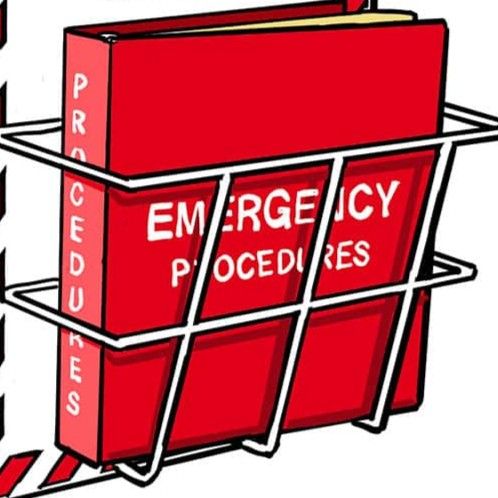
An Emergency Action Plan (EAP) is a vital tool for ensuring safety during unexpected situations, whether it's a fire, medical emergency, natural disaster, or any other crisis.
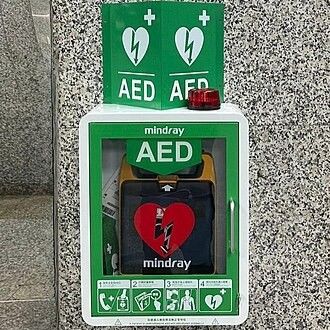
When it comes to emergencies, every second counts. One of the most critical tools that can save a life during a sudden cardiac arrest is an Automated External Defibrillator (AED).

At first glance, the terms "competent person" and "qualified person" may seem similar, but upon closer examination of the differences, they aren't as similar as they seem.
When it comes to workplace safety, OSHA plays a critical role in protecting employees across various industries. But what exactly is OSHA, and why is it so important?
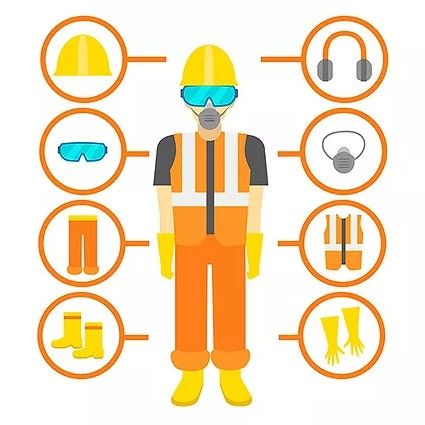
Personal Protective Equipment (PPE) plays a critical role in safeguarding workers across various industries.
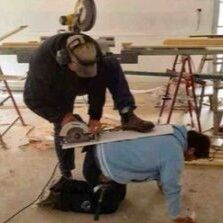
OSHA violations are given when employers fail to comply with safety and health regulations set forth by the Occupational Safety and Health Administration.
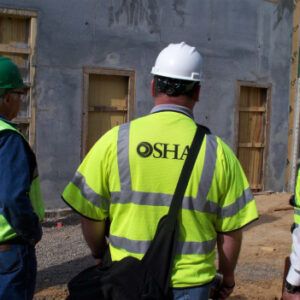
OSHA inspections are a critical part of ensuring workplace safety and compliance with federal regulations.
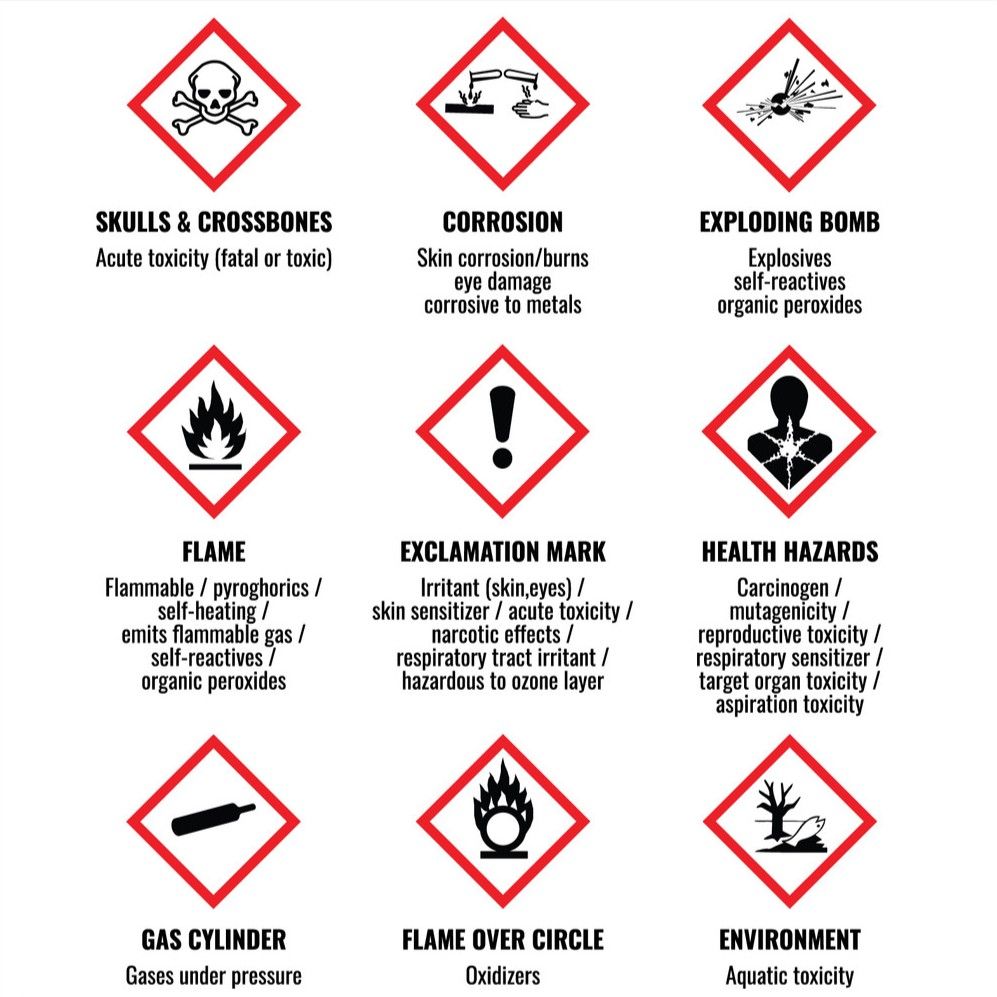
Hazard communication pictograms are images that convey information about the hazards of a chemical. These images are used on labels to help people understand the risks of the chemical they may be exposed to.
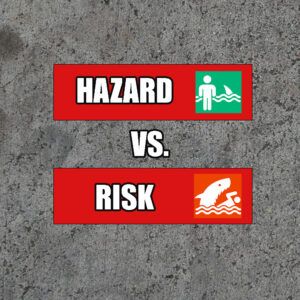
Hazard vs. Risk, are these two terms the same? While they may seem interchangeable, they actually refer to distinct concepts that play a crucial role in understanding and managing potential dangers.
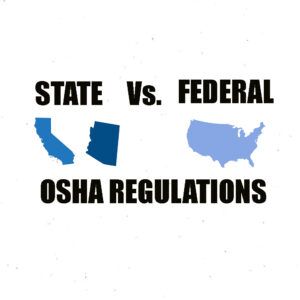
While OSHA regulations are enforced at the federal level, states have the ability to implement their own safety programs that may be more stringent or tailored to specific industries or local needs.

ISNetworld® is a contractor and supplier management system used to help businesses search, qualify, and hire contractors and suppliers according to the organization's objectives, resources, and requirements.

In the world of safety, there is HAZMAT, HAZCOM, and HAZWOPER. These 3 are required trainings related to dangerous or hazardous materials, but each targets a different audience and safety measures.

One of the easiest ways to avoid drugs and alcohol is to - Just Say NO, however, this is not always the case.

In any workplace, ensuring the safety of employees, maintaining compliance with regulations, and promoting efficiency are key objectives for success.
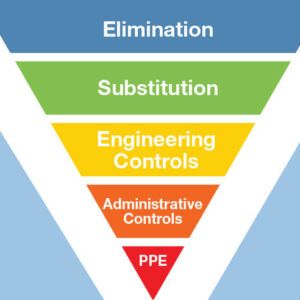
The hierarchy of controls is a system used for controlling risks in the workplace. These controls are a step-by-step approach for eliminating or reducing risks.

The Whistleblower Protection Act (WPA) was codified in 1989 and amended in 2012 as the Whistleblower Protection Enhancement Act and 2017 as the Whistleblower Protection Act of 2017.

Phishing scams occur often and continue to sound more and more believable.
OSHA and ANSI are both entities that play roles in promoting workplace safety, but what are the differences between the two?
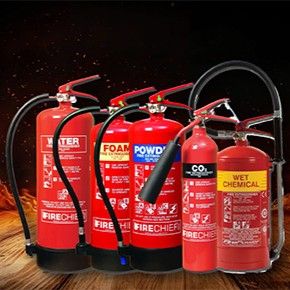
Did you know using the wrong fire extinguisher can make a fire worse? There are 5 classifications that determine what type of fire extinguisher is needed.

An Experience Modification Rate (EMR) is used mainly by insurance companies as a metric to gauge past and future workers compensation claims.

In a world that never stops and constantly asks for more, recognizing and prioritizing mental health is no long a choice, but a need.
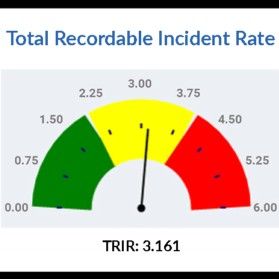
The Total Recordable Incident Rate (TRIR) is a beneficial metric used to evaluate a businesses safety performance.
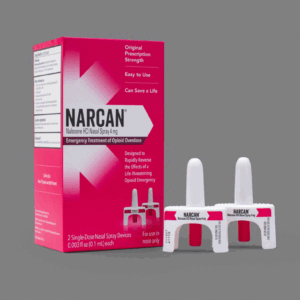
Naloxone, more commonly known as Narcan, is a medication designed to rapidly reverse opioid overdoses.
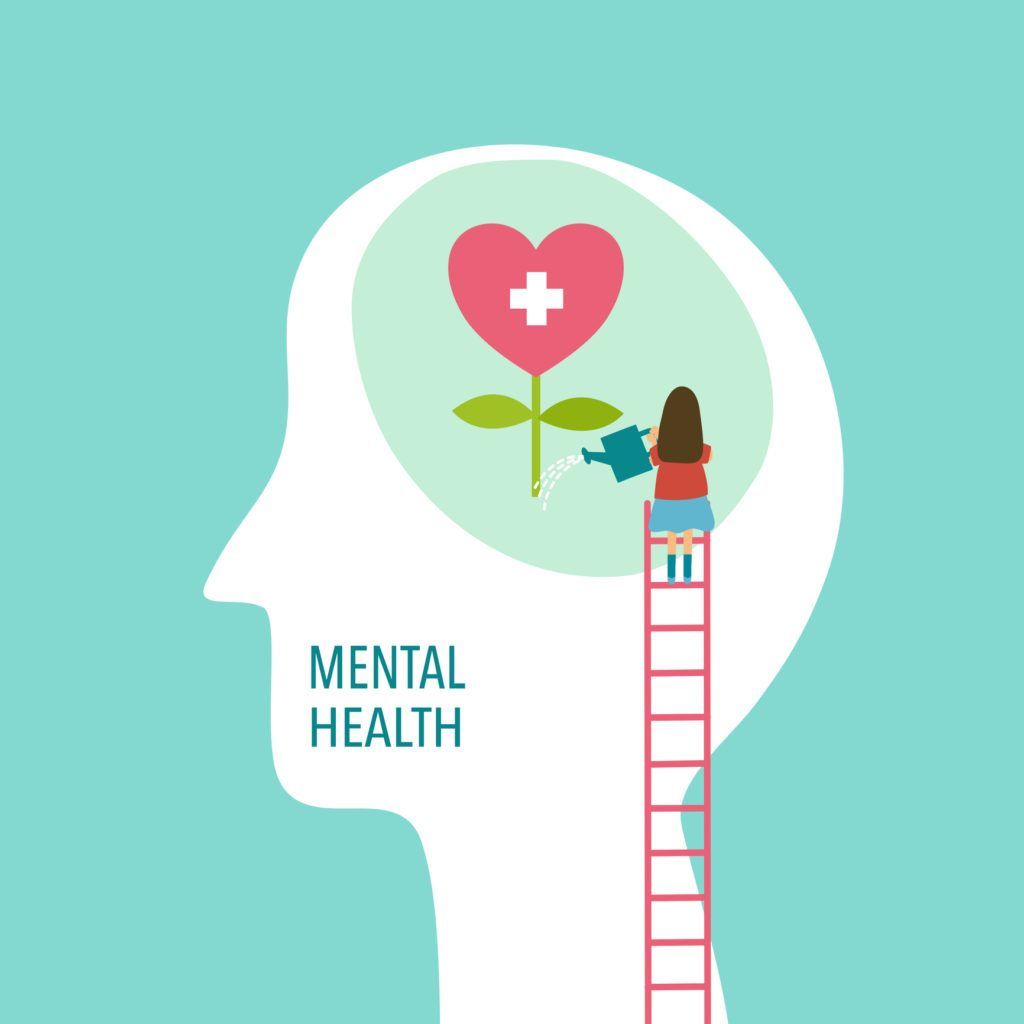
With mental health being a major topic of discussion, how can employers implement this topic inside the workplace?
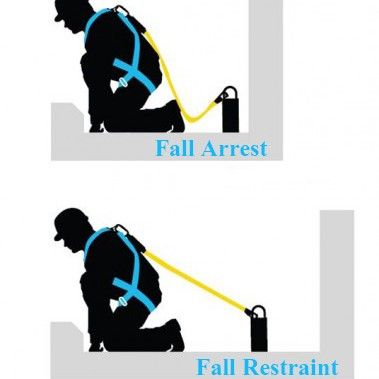
Did you know there is a difference between a fall restraint and a fall arrest system?
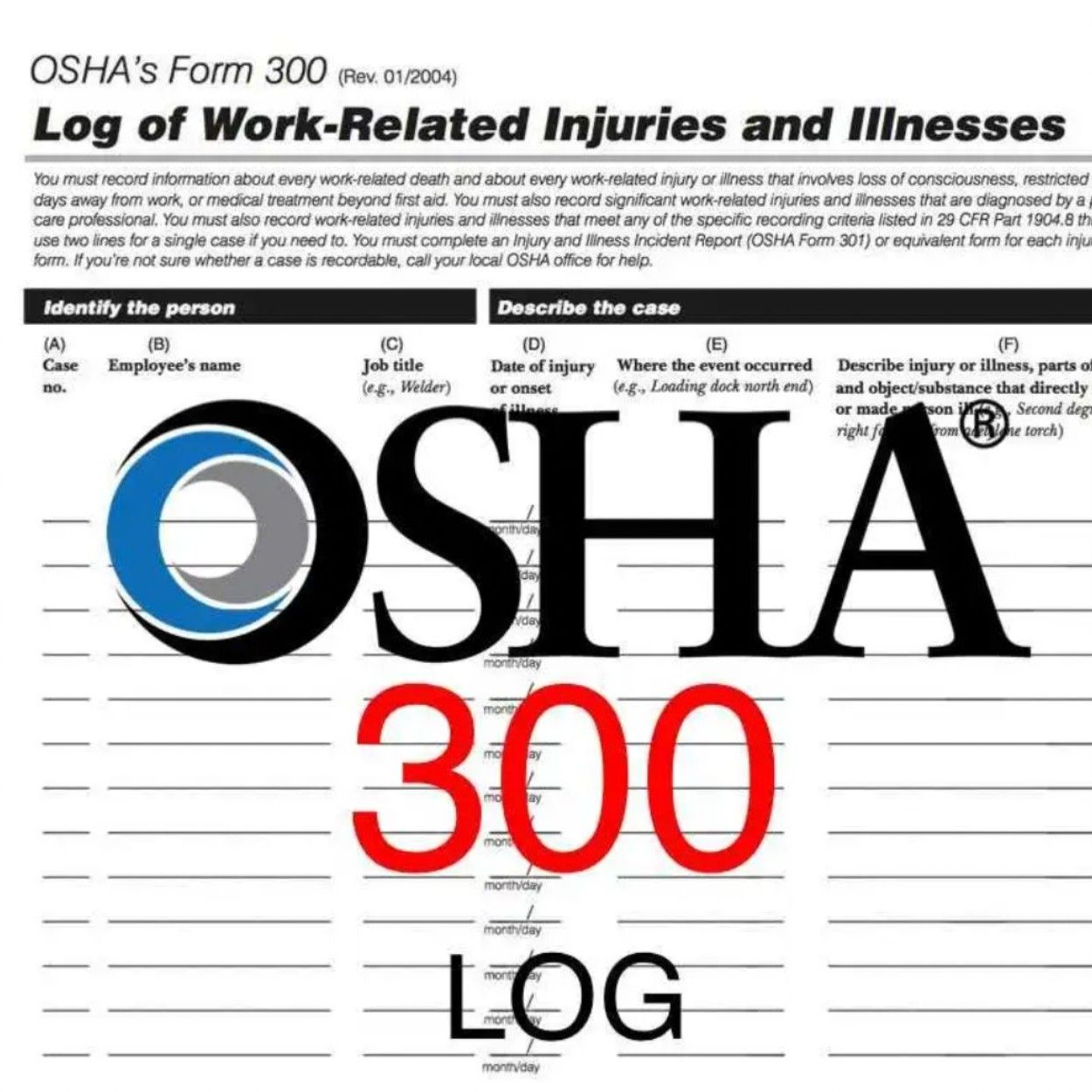
As an employer, when filling out your OSHA 300 Log, it is important to document serious injuries and illnesses accurately.
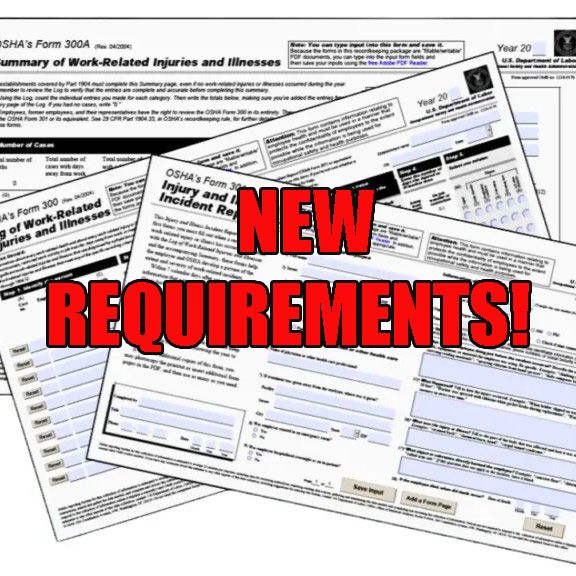
As of January 1st, 2024, OSHA requires certain employers to electronically submit information from their OSHA 300 Log and 301 Incident Report Form.
Every year, millions of workers put their lives on the line, but when safety regulations are ignored, the consequences can be catastrophic.
Opioids are a class of drug that relieve pain and can produce a pleasurable effect to the brain and body.
The Substance Abuse and Mental Health Services Administration (SAMHSA) announced on September 8, 2023, that the 988 Suicide & Crisis Lifeline added American Sign Language services for deaf and hard-of-hearing callers.
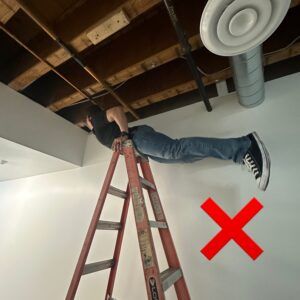
Ladder safety is important at every stage of ladder use, including when you're at the top of the ladder.
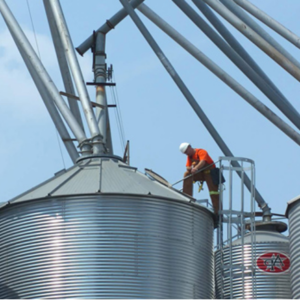
As the global population continues to grow, the demand for food also increases. The agriculture industry plays a vital role in meeting this demand, and one of the most important crops in agriculture is grains.
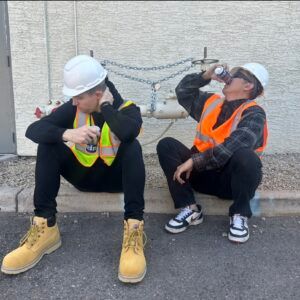
Drug and alcohol abuse is a serious problem that affects millions of people worldwide. Not only does it have a negative impact on individuals and their families, but it can also lead to workplace accidents, injuries, and fatalities.
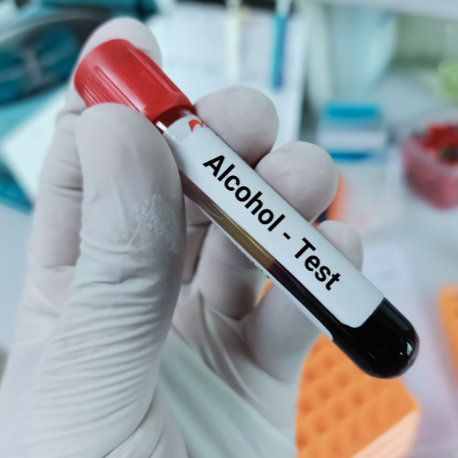
NCMS stands for National Compliance Management System, and it is a system that was developed to keep track of contractor drug and alcohol compliance.